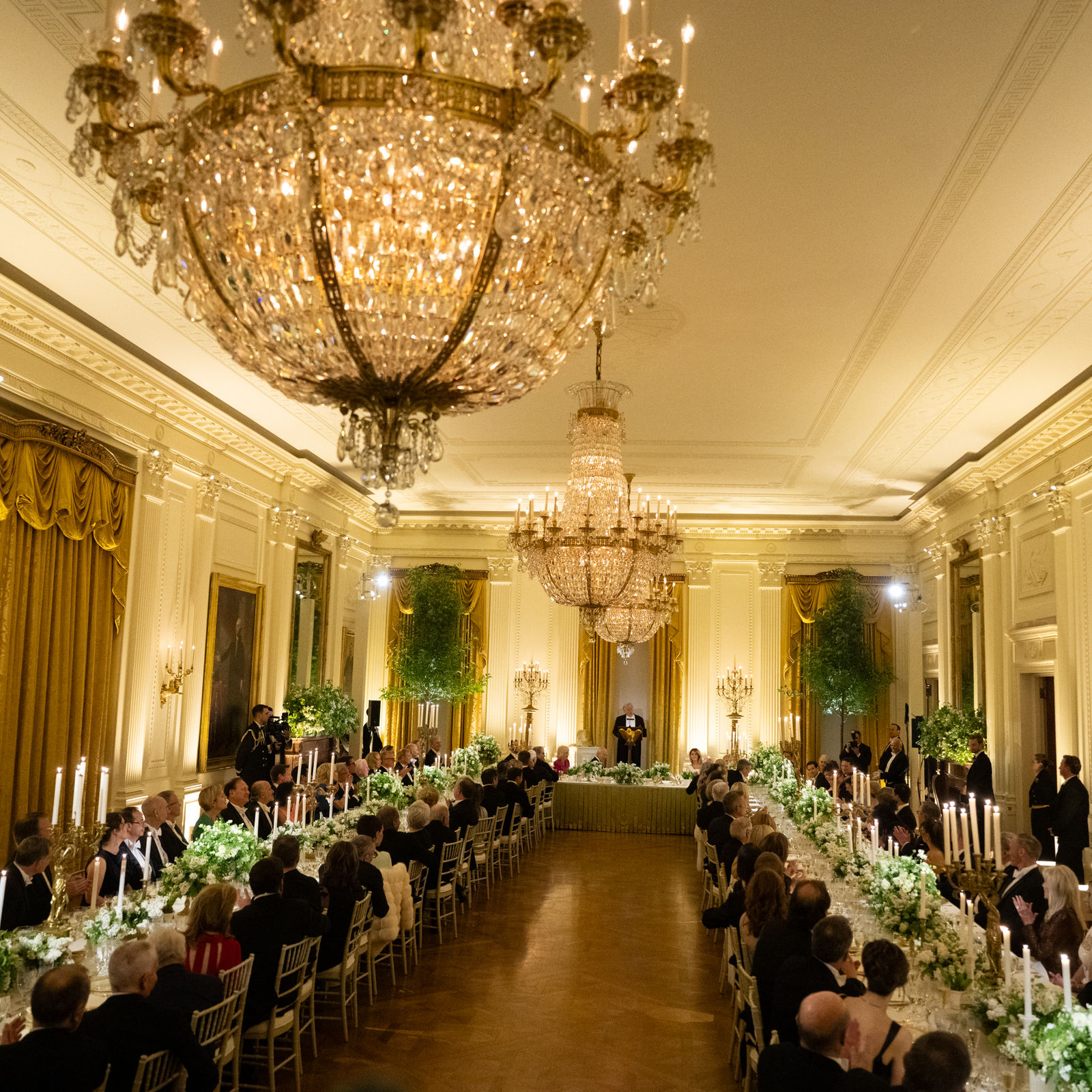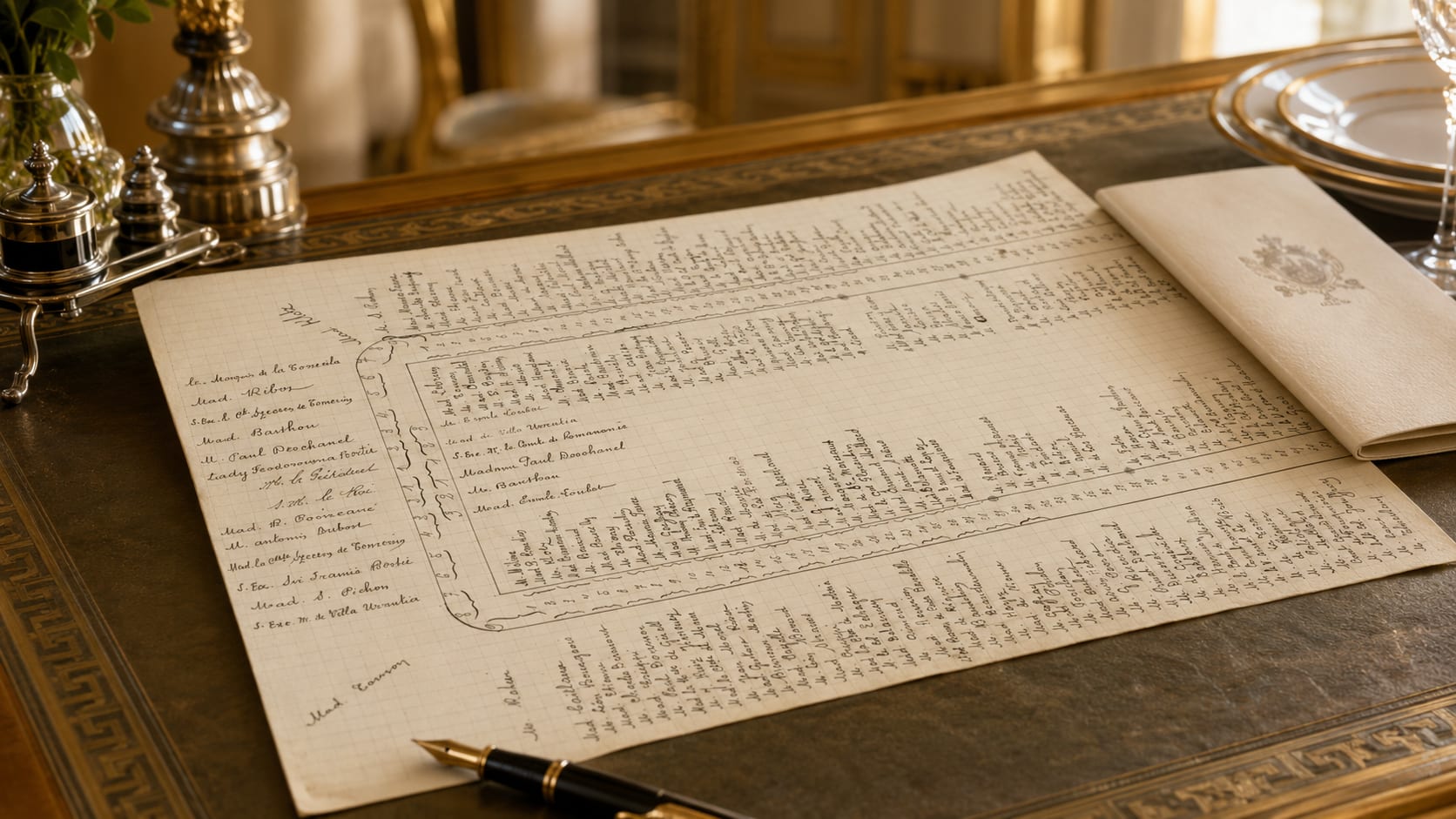
Cut crystal. Vermilion. A damask tablecloth, six glasses lined up, an eight-course menu. This is what we have long called pomp, to the point of believing that this word had only one form.
He has several.
Because the magnitude of a reception is not a quantity that we could measure, add up, classify. It’s a language. And like any language, it is spoken differently depending on the cultures that use it. What says magnificence here says something else elsewhere: what seems sumptuous to one may seem heavy to another, and what seems sober to one can be, for another, the height of refinement.
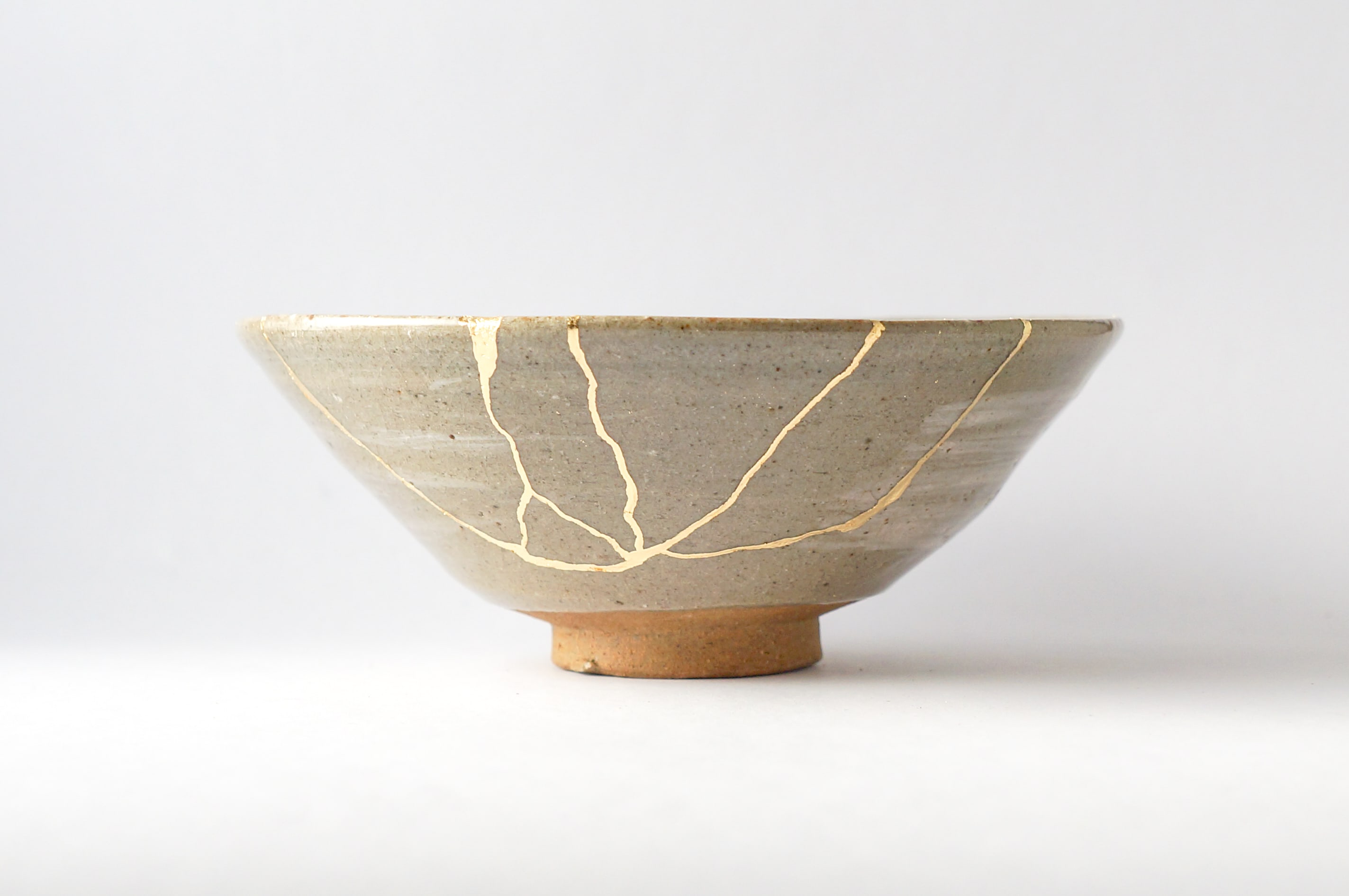
In Japan, the height of luxury is sometimes contained in a single bowl. A deliberately imperfect ceramic, a slow gesture, an almost empty space. Where a court accumulates, a ceremonial table takes away. Splendor is expressed through subtraction, through the silence around the object, through the time given to a single gesture. Presenting this bowl to a guest accustomed to crystal and gold is not offering them less. It’s speaking to him another language of greatness.
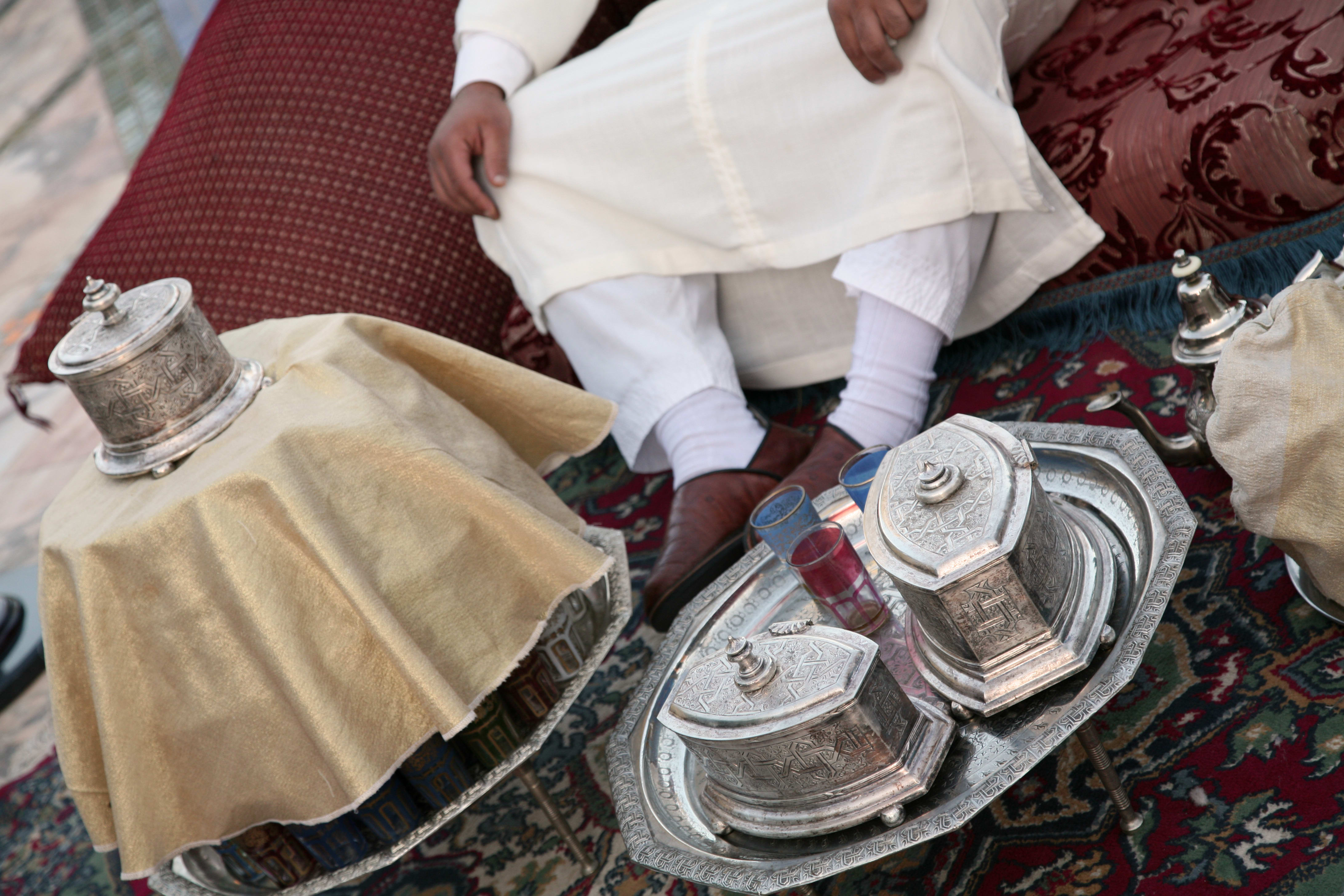
Elsewhere, in other latitudes, the honor given to the guest is seen neither in porcelain nor in sobriety, but in generosity. A hospitality that is measured by what the host is ready to give, by the abundance displayed, by the coffee poured according to an immutable rite, by the self-effacing of the one who receives before the one he honors. This language knows neither the restraint of one nor the pageantry of the other; he has his own eloquence, and no one could say that it weighs less.
The misunderstanding begins at the precise moment when we compare.
To measure one table against another is to translate a poem into a language which does not have its words: there always emerges a lack, but this lack only exists in the translation. The house that believes itself to be less sumptuous because its reception does not resemble the one opposite makes this mistake. She reads her own greatness in a lexicon that is not her own, and finds there, inevitably, only an imaginary deficit.
It is true that some houses have century-old palaces, goldwork accumulated over centuries of reign, while others are young, and sometimes fragile. But the palace and the goldsmith’s work are not grandeur: they are a form of it, born from a particular history. Their absence does not deprive anyone of pomp. It only deprives one dialect among others. A house without a Baroque castle is not a house without magnificence; it has another grammar, which it is up to its stewardship to speak with confidence.
Because maturity, in the meeting of two cultures, goes both ways. The one who receives must not judge himself by the measure of the other. And he who is received should not confuse a different language with an inferior language. The great guest, the real one, does not ask to be like him: he knows that a foreign table offers him what no familiar table could give him, entry into a world that is not his own.
The sensation of splendor, in truth, never arises from the table alone. It is born from the gaze that reads it.
And the highest knowledge of stewardship, perhaps, is to set one’s table in one’s own language, without ever submitting it to another’s dictionary.