
In each Palace, it is the same man or the same woman: absolutely everything depends on him, and yet he executes nothing himself. He’s a coordinator. Around him gravitates a range of experts, cooks, gardeners, technicians, protocol, security, each master of his field, but nothing is organized in the enclosure without going through his overview and this rare talent of holding together professional worlds which sometimes do not speak to each other.
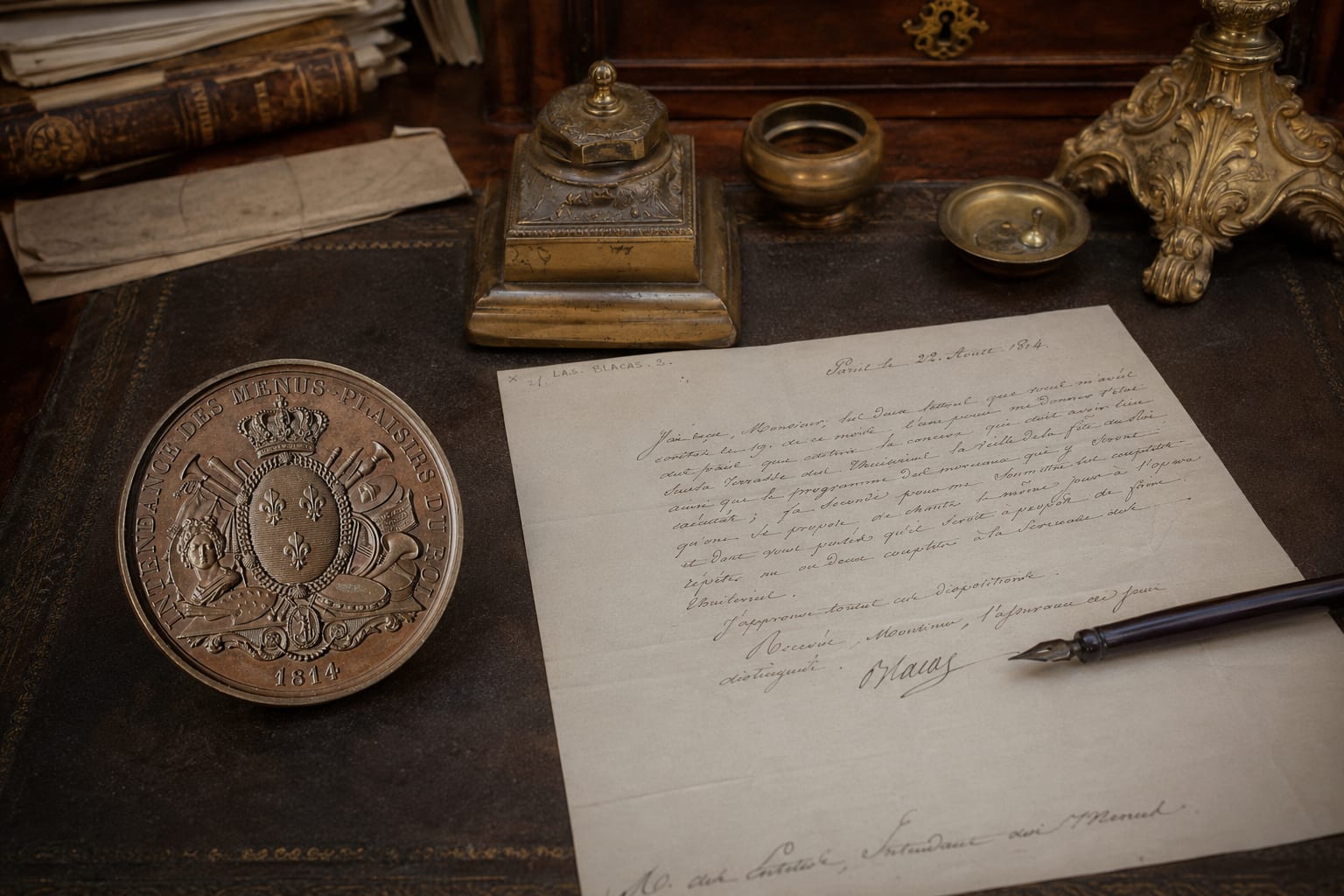
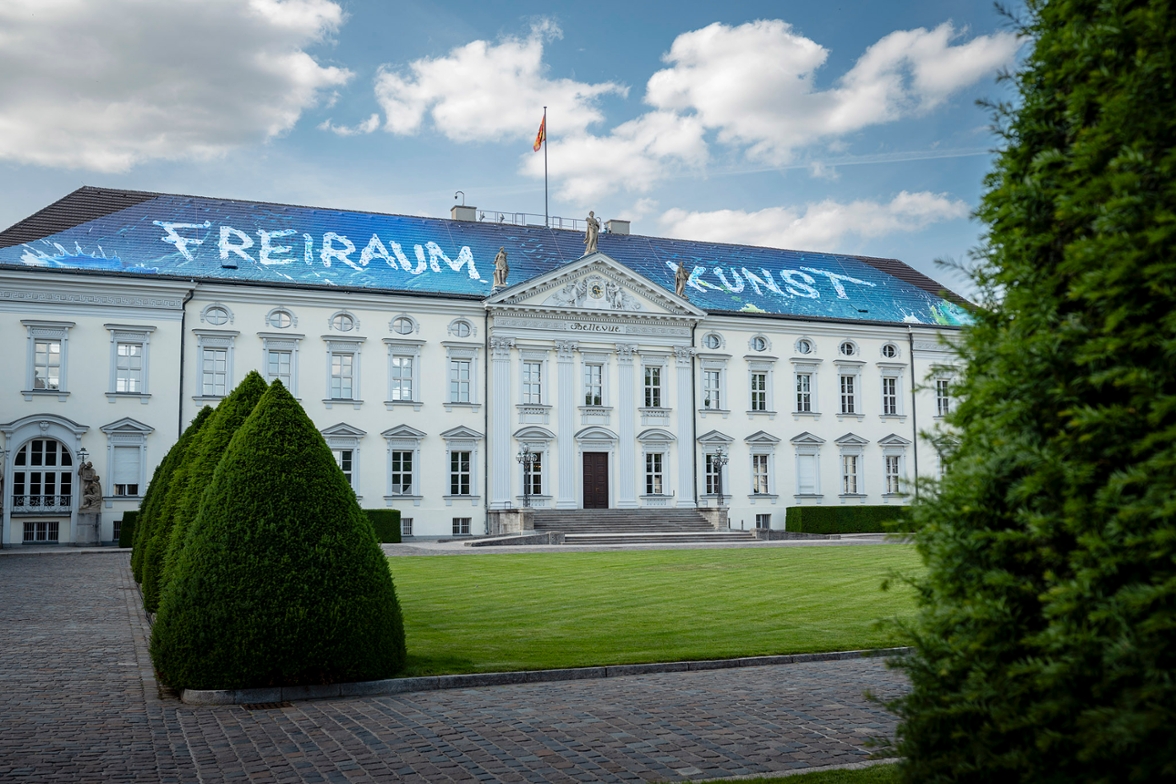
At Buckingham Palace, he is called Master of the Household. \ At the White House, he became Chief Usher. \ In Madrid he bears the title of Jefe de la Casa de Su Majestad el Rey, distant heir to the 19th century Intendente General de Palacio. \ In Moscow, the function is housed in the Управляющий делами Президента (Upravliaïushchi delami Prezidenta), the Director of Presidential Affairs. \ In Tokyo, he is Grand Steward at the head of 宮内庁 (Kunaichō), the Imperial Household Agency. \ In Paris he is General Intendant. \ In Abuja, he has the title of Permanent Secretary, State House. \ In Wellington, he became Official Secretary, general manager of the Governor General’s residence.
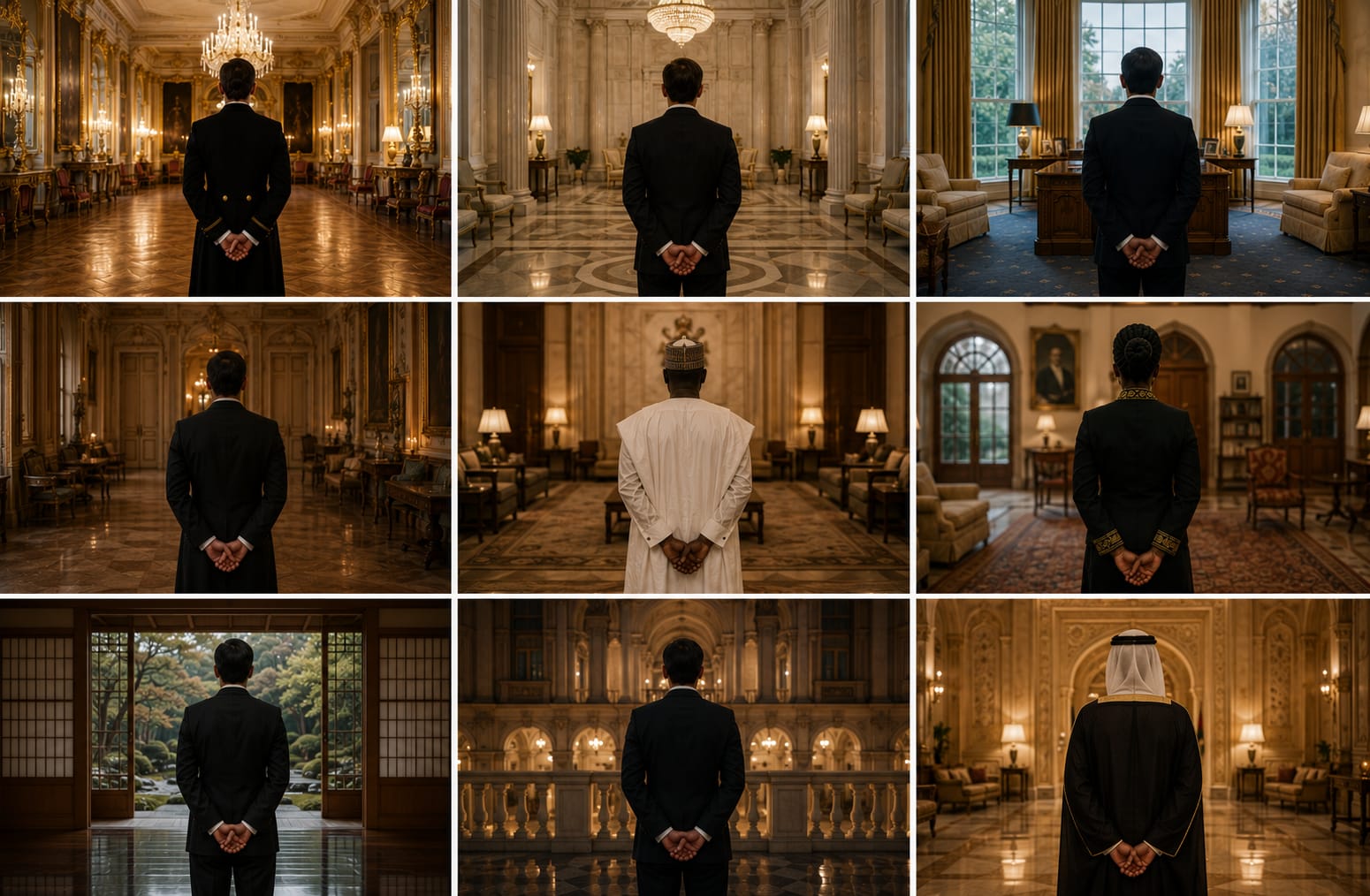
How many of us are there, exactly? If we start from the one hundred and ninety-five countries recognized by the United Nations, and take into account monarchies with multiple residences, presidencies with their summer or provincial palaces, princely houses distinct from the royal house, we can put forward a figure: around three hundred. Three hundred people, across the entire surface of the globe, carrying this exact load. Some of us know each other, most of us don’t know each other, but the rule is not the exception, it’s isolation.
An isolation of work, not of circumstance, an almost necessary condition for performance: no other gaze than his own can embrace, at the same moment, the entire system.
It’s a profession without a common name. Each of these three hundred bears a different label, shaped by centuries of court, revolution or administrative reform.
No association brings them together, no shared vocabulary allows them to recognize each other from one palace to another.
And yet, under such distant names, it is precisely the same function that is exercised, and the same requirement: keeping the big picture, keeping pace with the unforeseeable, answering for a service whose failure is being played out in front of the whole world.
This dispersion of names says something essential about the nature of the profession.
He has never needed a stable title to exist, because he does not live in words but in the precision of gesture.
Three hundred people, on five continents, exercise the same silent discipline, each alone at their post, each indispensable to theirs.
It is perhaps the most universal profession that has ever had a universal name, and the rarest that has never sought to make itself known.