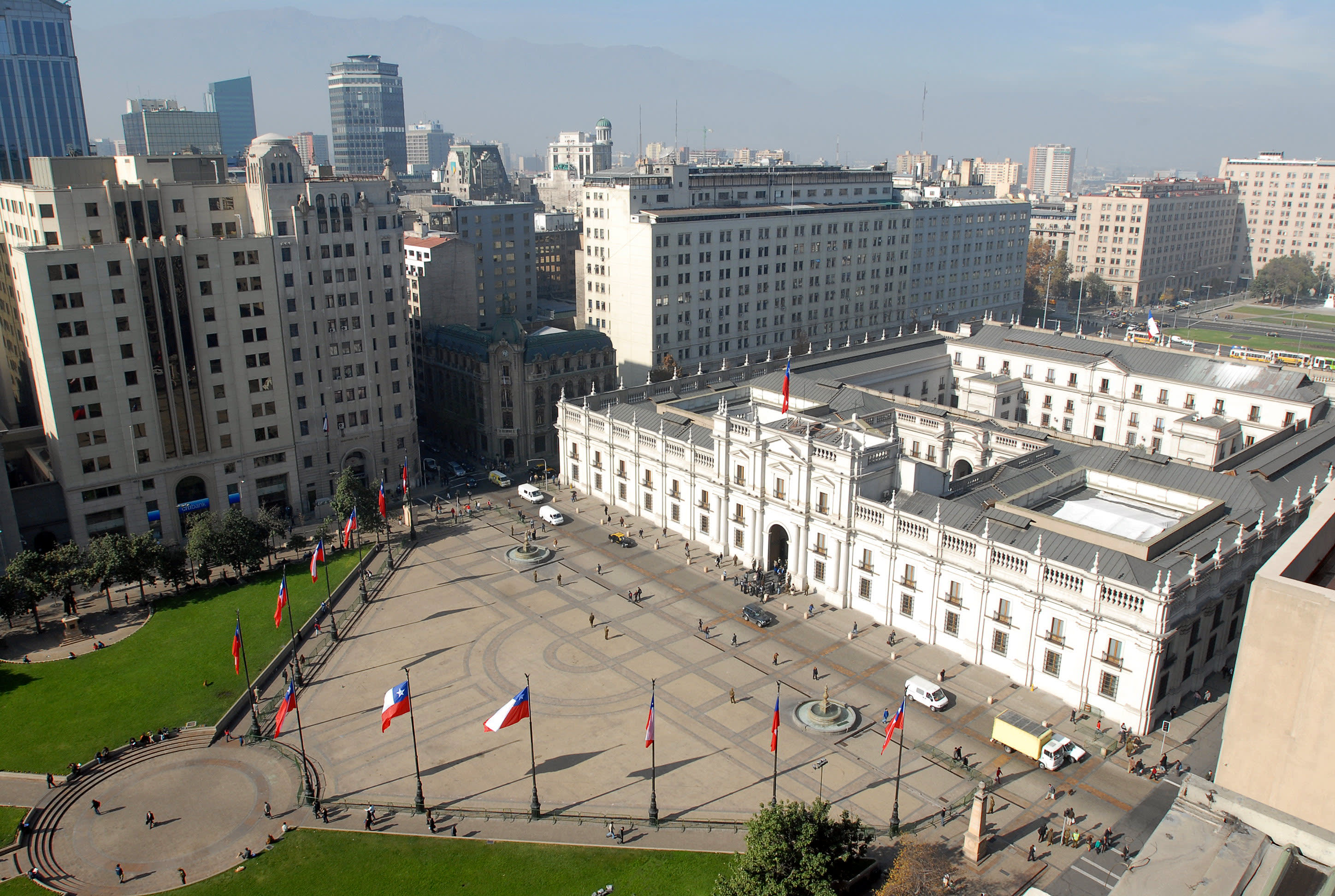
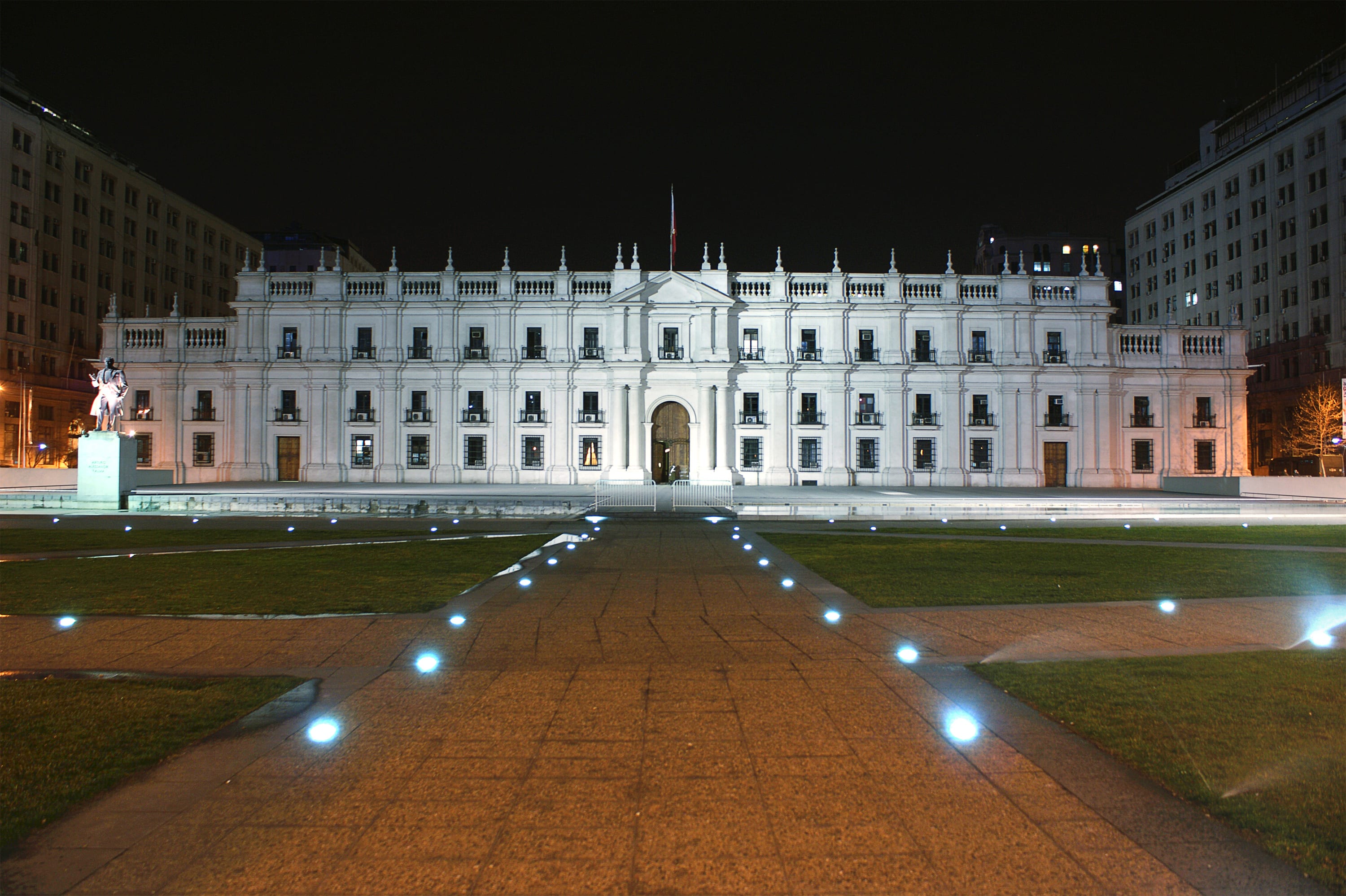
In 1784, on what would become the Plaza de la Constitución in Santiago, no one thought of housing a head of state. A factory is being built there. The Italian architect Joaquín Toesca, already busy on the metropolitan cathedral, designed a building designed to mint the kingdom’s currency, not to receive ambassadors. The limestone comes from the Polpaico estate, the sand from the Maipo river, the red stone from Cerro San Cristóbal, the oak and cypress wood from Valdivia. Twenty varieties of bricks fired in Santiago make up walls more than a meter thick, designed to protect chests, not lives. Toesca died in 1799 without seeing his work completed; military engineer Agustín Cavallero completes the project. The Casa de Moneda de Santiago opened in 1805.
For almost half a century, the building remained what it was meant to be: a place where metal was transformed into authority. Because minting money, under the Spanish Empire as in newly independent Chile, is never a neutral act. It is the State that engraves its legitimacy into each coin put into circulation.
Toesca’s building therefore does not symbolize power by accident: it literally creates its most tangible instrument, the one that passes from hand to hand, that crosses social boundaries, that carries the effigy or coat of arms even into the pockets of the people.
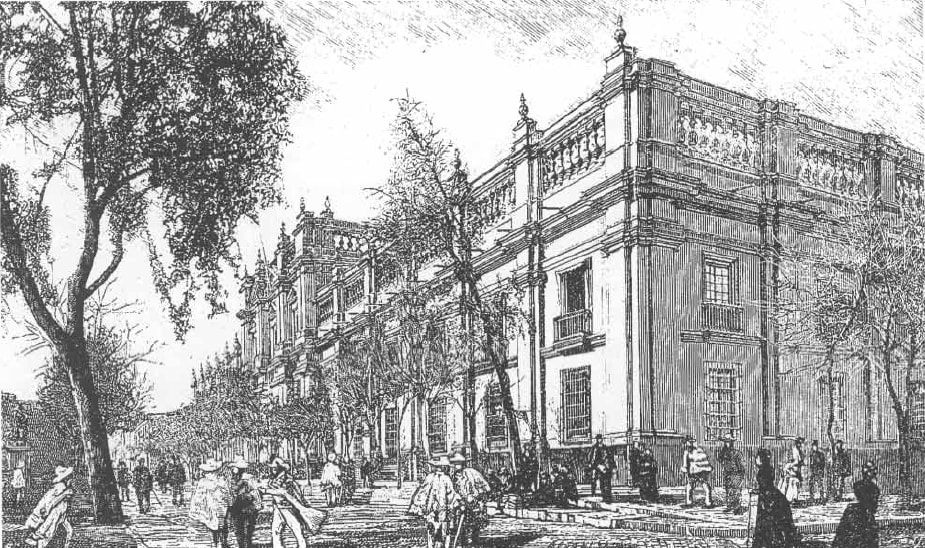
The changeover occurred in 1845. Under the presidency of Manuel Bulnes, the Chilean state installed its government within the walls of the old factory, without even completely discarding its old uses: coinage continued there in parallel, separately, until the first third of the twentieth century. For decades, the same building will have manufactured currency on one side and governed the country on the other, as if Chile had never wanted to completely separate the two actions.
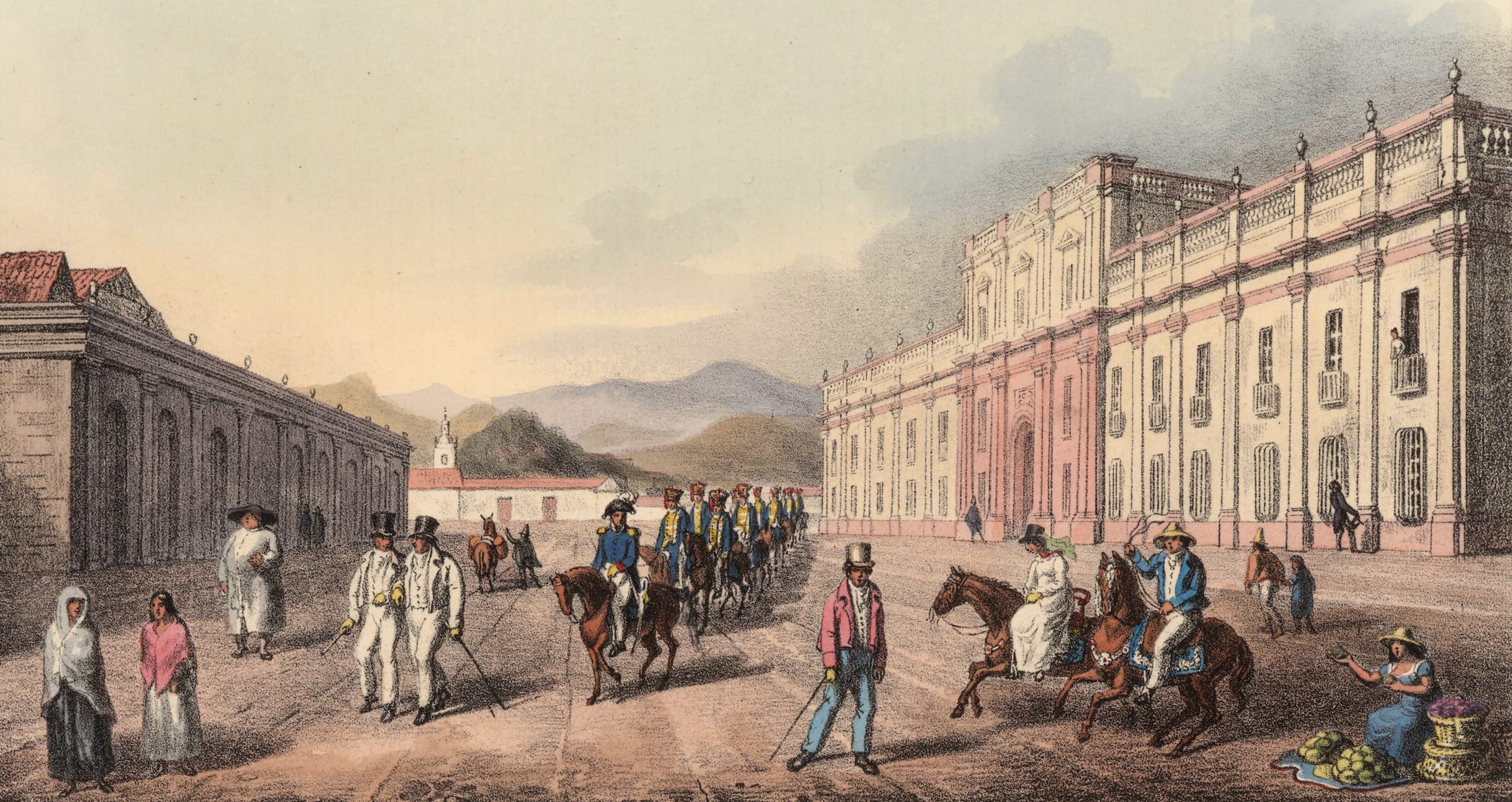
There is a lesson in this story that the stewardship of the palaces knows well. A place of power does not need to have been designed for power. It is enough to have been built to embody one value, that of currency, before being requalified to embody another, that of state authority. The solidity of Toesca’s walls, their thickness designed for safes, can be read today as an involuntary allegory of institutional permanence. What we protected yesterday from thieves, we protect today from coups d’état and from oblivion.
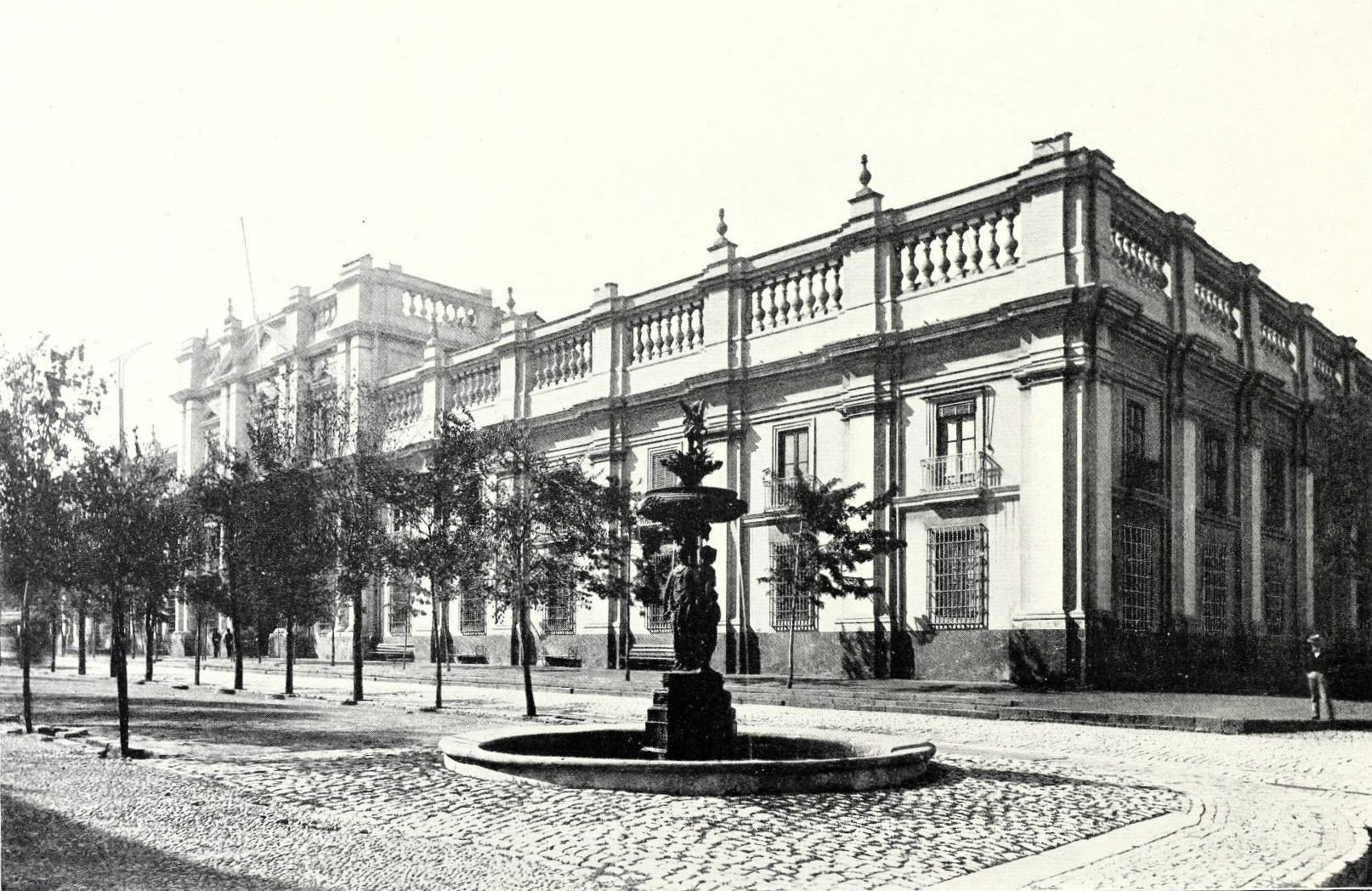
The Moneda still bears this name two centuries after it ceased to mint a single coin. Chile has never renamed its palace, as if it refused to erase traces of its original function. A country that governs from a converted workshop has nothing to envy of those who build new palaces to establish their legitimacy: it has simply chosen to make continuity itself an architecture. A palace, before housing power, always shelters the memory of what it was.