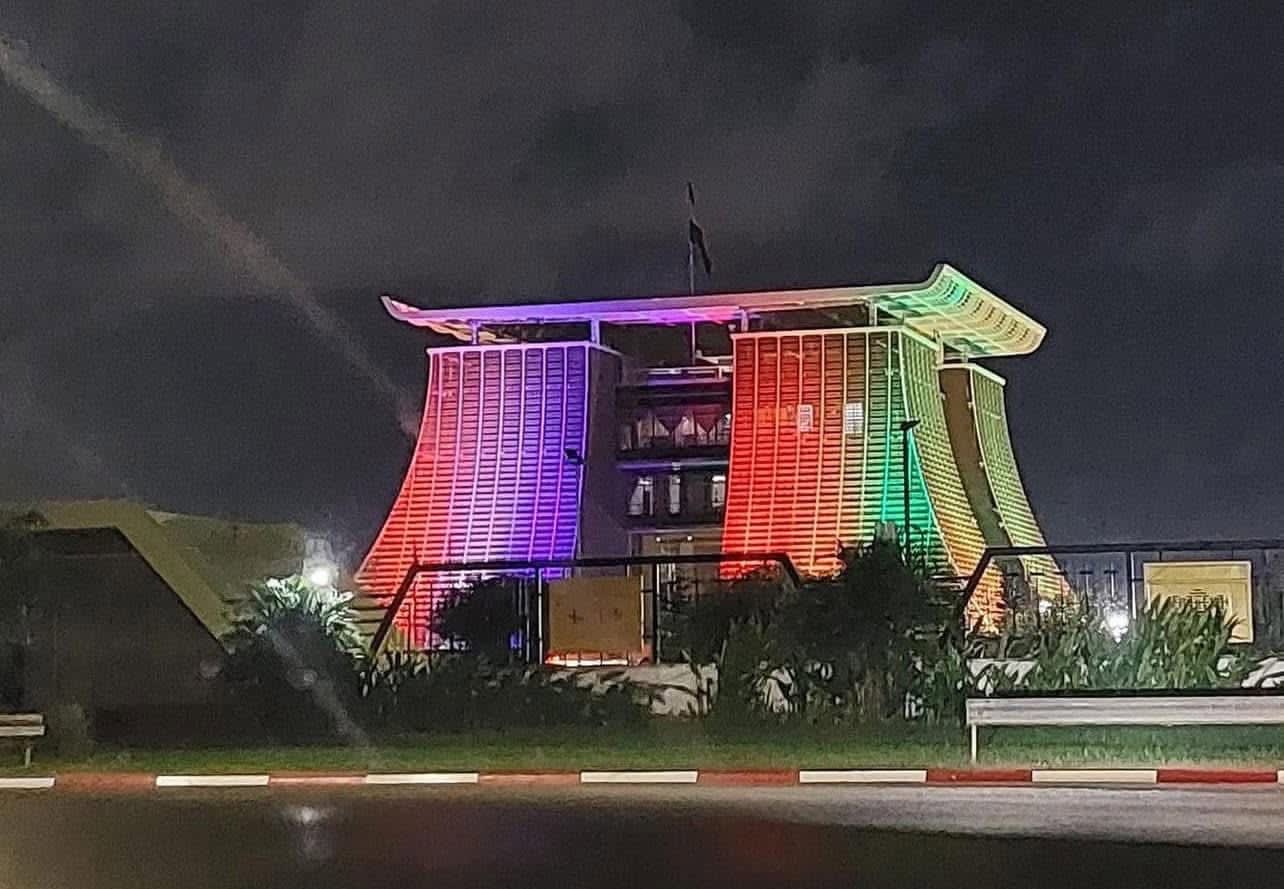
No palace is built against nothing. Jubilee House was built against a castle - and against what this castle had seen pass. Jubilee House, Ghana’s presidential palace, replaced Osu Castle to break with a painful colonial memory.
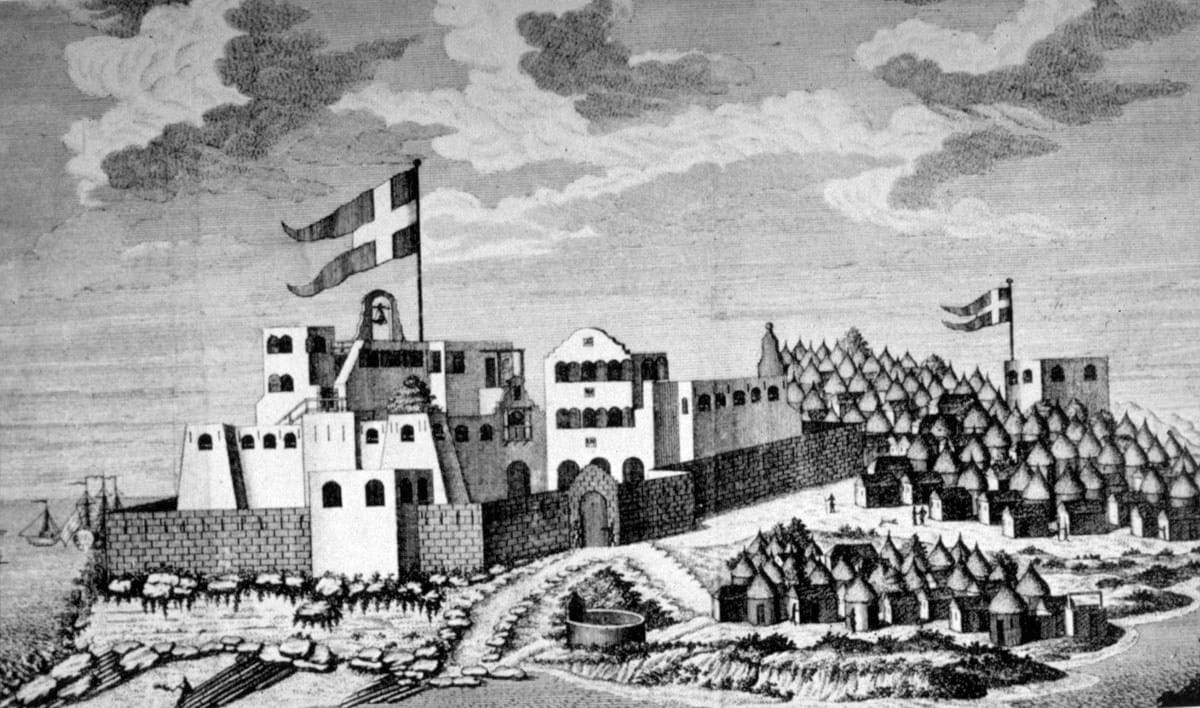
Osu Castle was not just an ancient seat of power. Its white walls, facing the Atlantic, served as a trading post and then as a fortress in the trade of men; they then housed, without architectural discontinuity, the colonial governors then the presidents of an independent Ghana. To govern from Osu was to govern from the exact place where history had hurt the most.
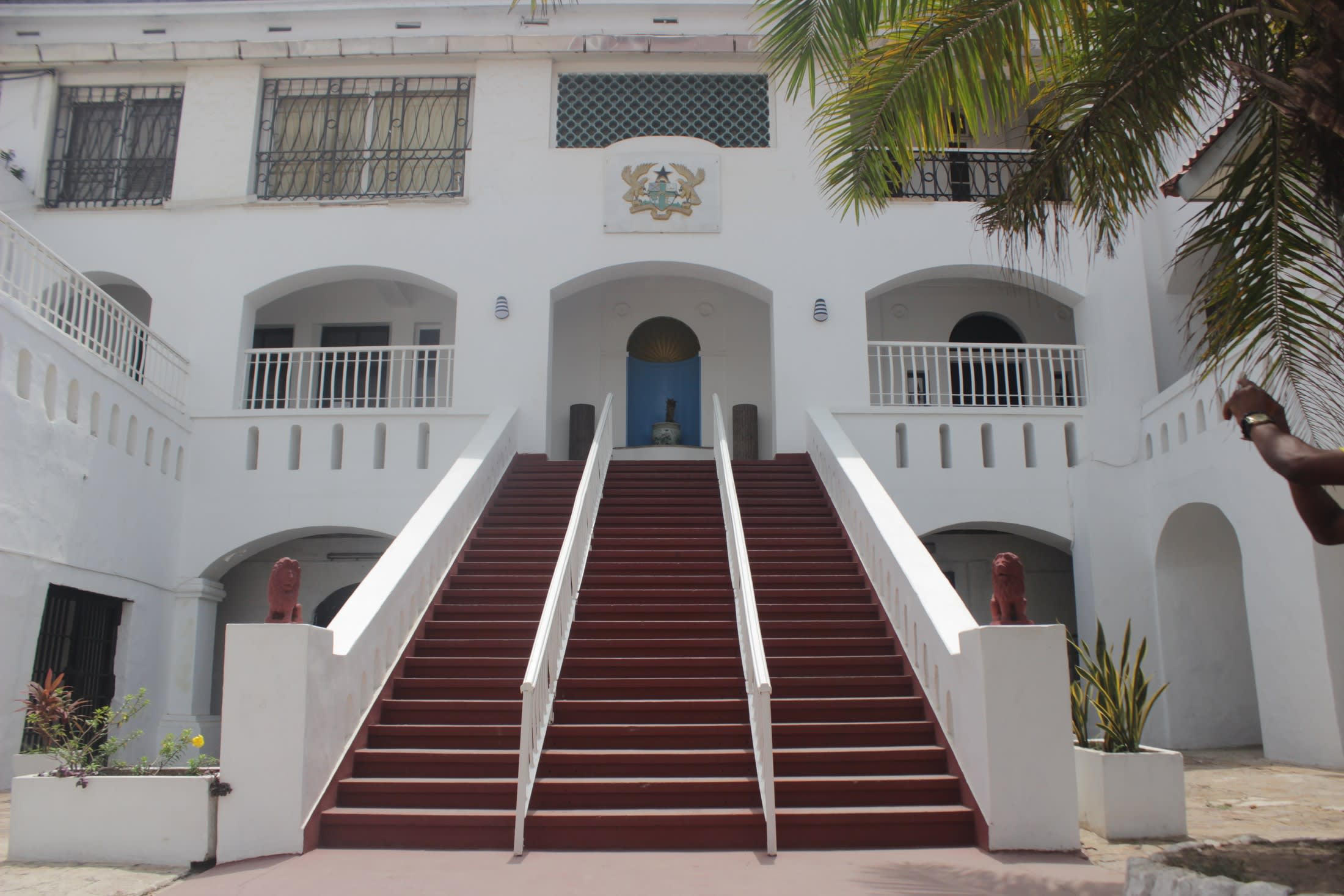
The Castle carried a colonial and slavery memory deemed incompatible with the representation of a sovereign executive power.
For decades, no Ghanaian head of state seemed able - or willing - to cut this knot.
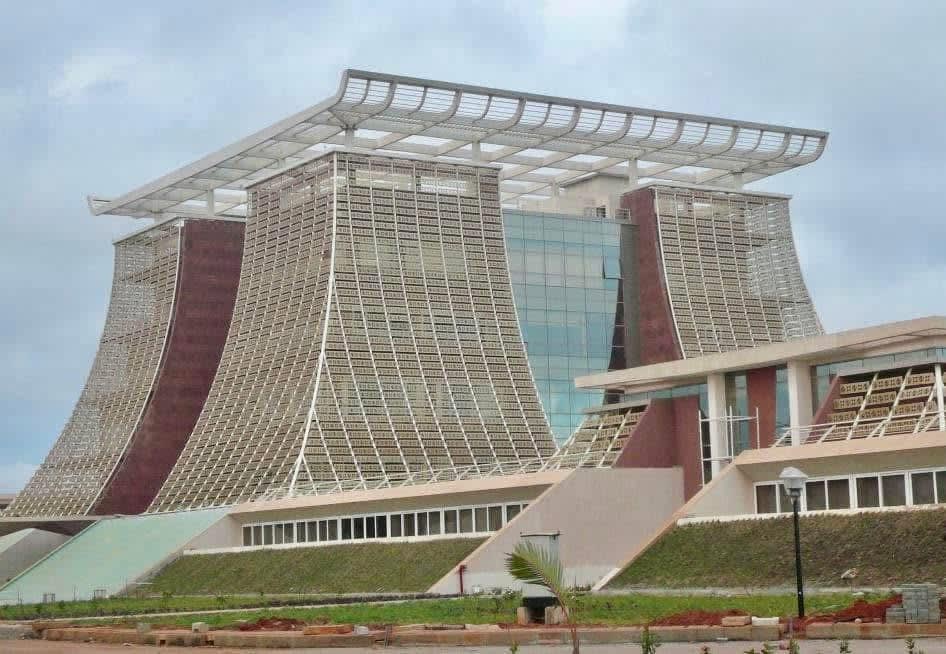
In 2008, Ghana decided. A new complex is rising north of Accra, set back from Liberation Road - “liberation road”: the name of the street almost precedes the political decision itself.
Changing address, here, is not moving an office: it is refusing to continue to administer a country from the place of one’s own pain.
The gesture has a price and a partner: a concessional Indian loan at 1.75%, repayable over twenty-five years, a project entrusted to Shapoorji Pallonji - his very first design-build project on the African continent. The chosen form is not neutral either: the building follows the silhouette of a royal Asante stool, an ancestral emblem of authority and legitimacy. Clever, but not consensual - not all the cultural components of Ghana recognize themselves in this Akan vocabulary, and the new palace, by resolving one colonial wound, reopens another, more discreet one: that of knowing which national culture has the right to shape power.
The complex doesn’t just house a president. It is the complete apparatus of a power which has chosen never again to have to leave its home in the open:
- Residence for visiting heads of state,
- vice-presidential offices,
- clinic,
- bank,
- job,
- fire department
There remains one last ambiguity, which Ghana has never completely resolved. The same site also bears the name of Flagstaff House, associated with Kwame Nkrumah, the country’s first president - a memory to be preserved rather than left.
In 2018, a decree decided: Jubilee House for the current headquarters, Flagstaff House reserved for the memory of the founder.
A palace can therefore bear two names without carrying two powers - provided that an official text comes to say, once and for all, which of the two memories still governs.