No palace in America carries so many layers of power under one roof.
The Palacio Nacional de México has occupied the same rectangle of land for seven centuries: palace of Moctezuma, residence of Cortés, home of the viceroys of New Spain, seat of the Republic.
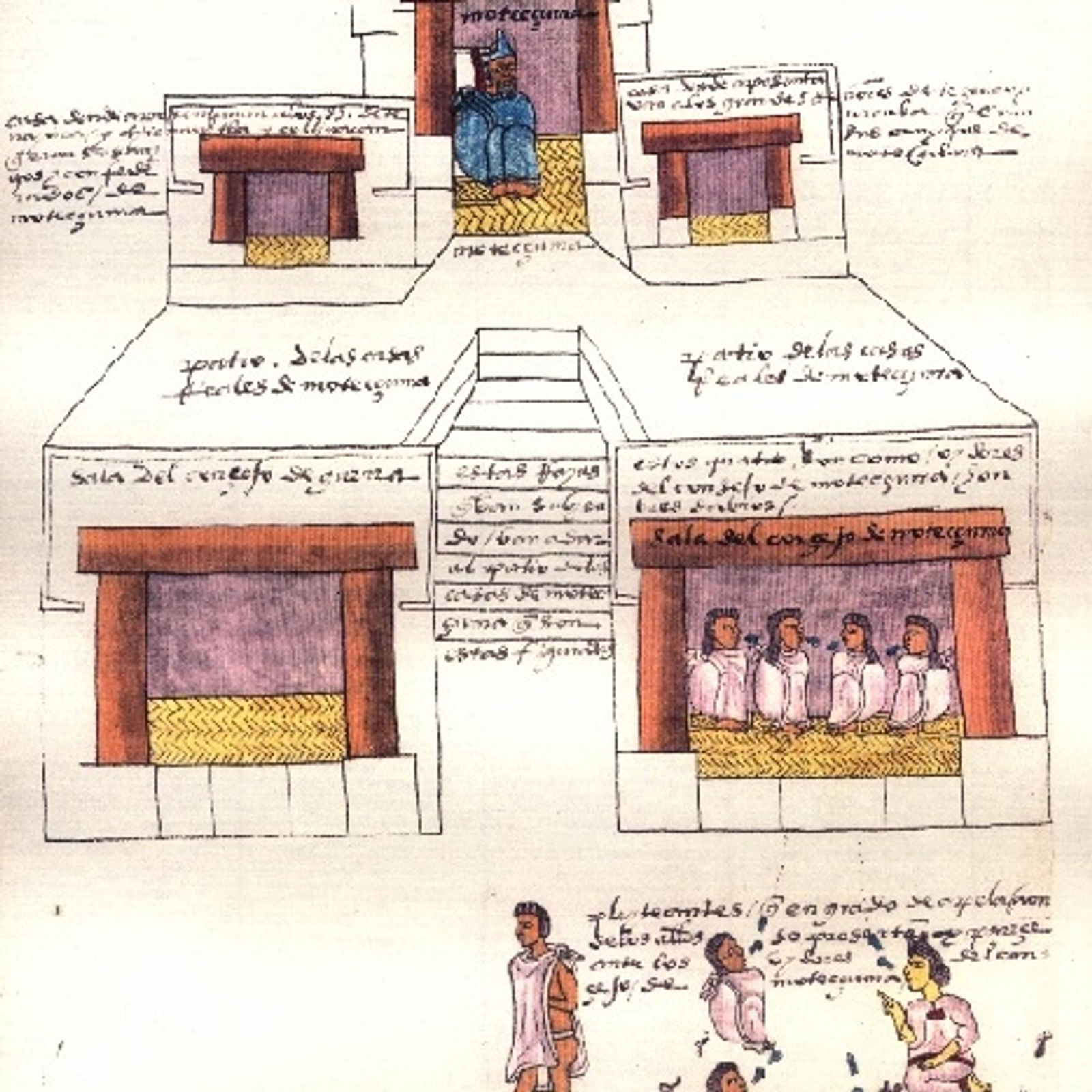
Representation of the palace of Moctezuma II in the Codex Mendoza. - Public domain
We do not govern in front of this building – we govern in its historical depth.
The ground tells it all.
When Hernán Cortés rebuilt the palace on the rubble of the Aztec residence, the day after 1521, he reused the stone of the vanquished: tezontle, this blood-red volcanic rock which gives the facade its unique mineral hue.
Three baroque portals open onto the largest square in Latin America.
The colonial power established itself on the indigenous power without changing address – and the continuity of the place constitutes a story of legitimacy.
In front of him lies the Zócalo, the Plaza de la Constitución: a bare, disproportionate esplanade, designed like a stage.
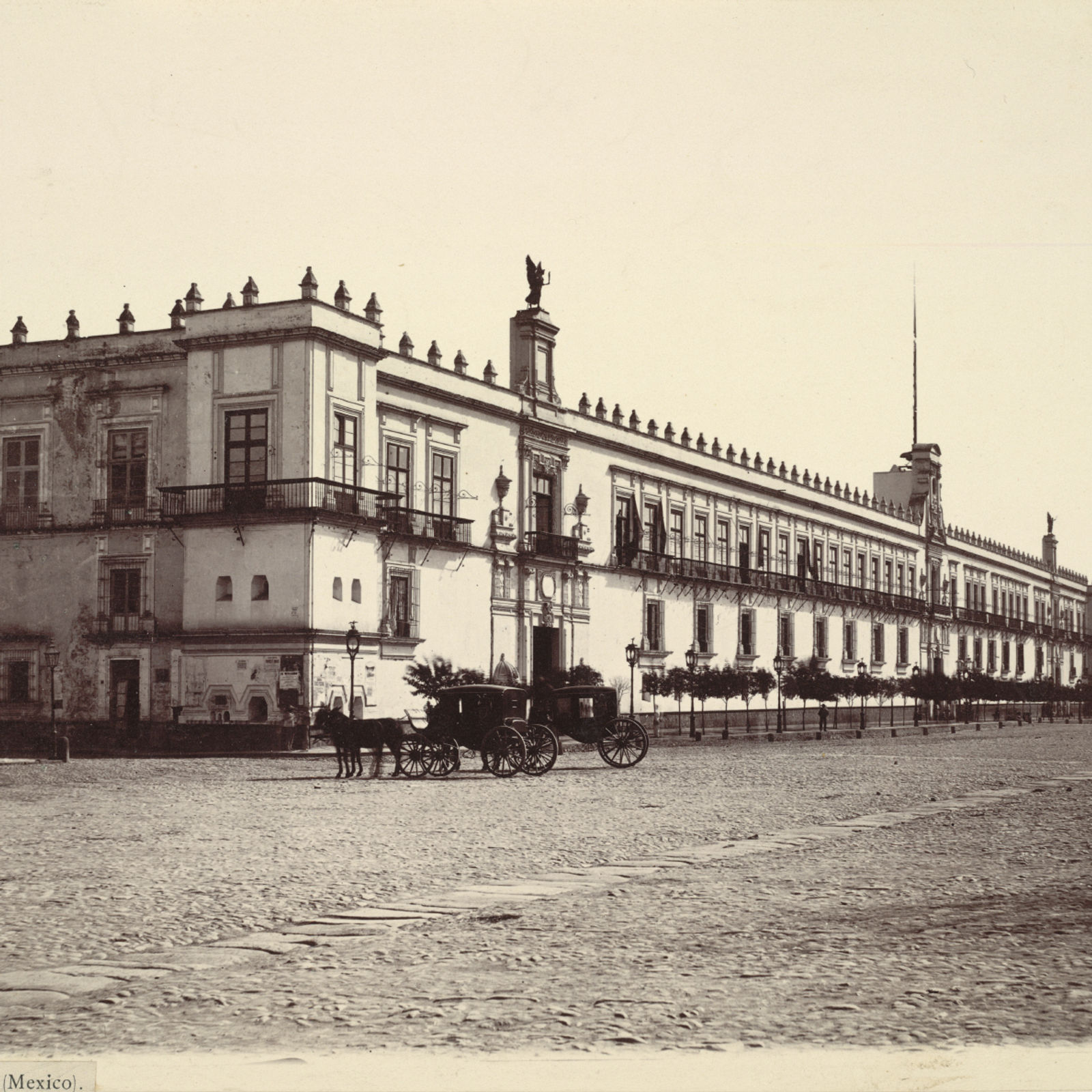
By Cornell University Library — The National Palace circa 1865
The palace needs neither French gardens nor golden gates; it stands out for its length – almost two hundred meters of facade – and for the theatrical void that it dominates. The architecture of Mexican power plays horizontal where Europe plays height.
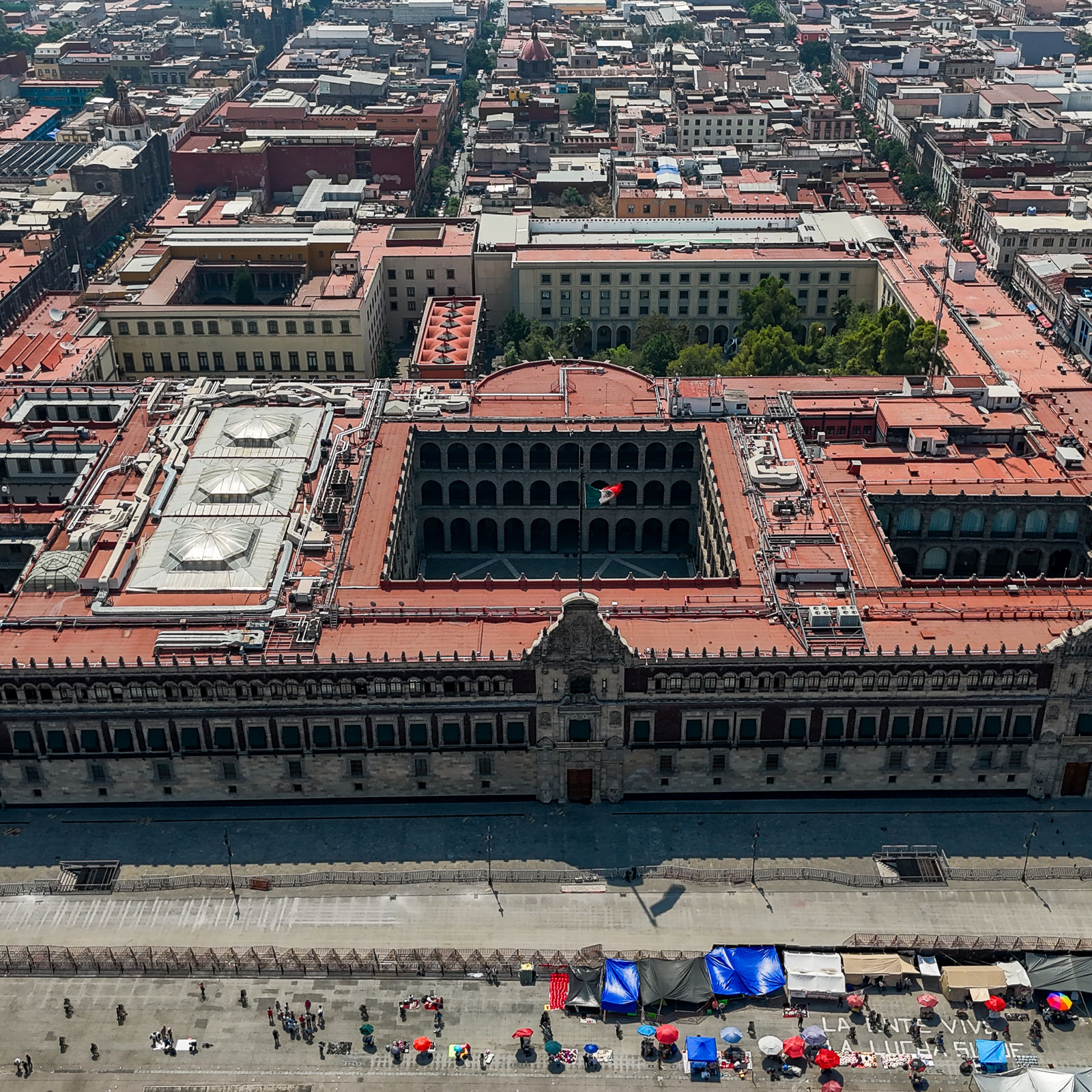
Images of the Plaza de la Constitución or Zócalo of Mexico City obtained with a drone
By © ProtoplasmaKid / Wikimedia Commons, CC BY-SA 4.0,
Inside, the main staircase has become a political work.
Between 1929 and 1935, Diego Rivera unfolded The Epic of the Mexican People: conquest, colonization, independence, revolution - the national history painted in fresco, precisely where the heads of state and their hosts go. Entertaining at the Palacio Nacional means having your guests engrave a wall manifesto. Art does not decorate power: it comments on it.
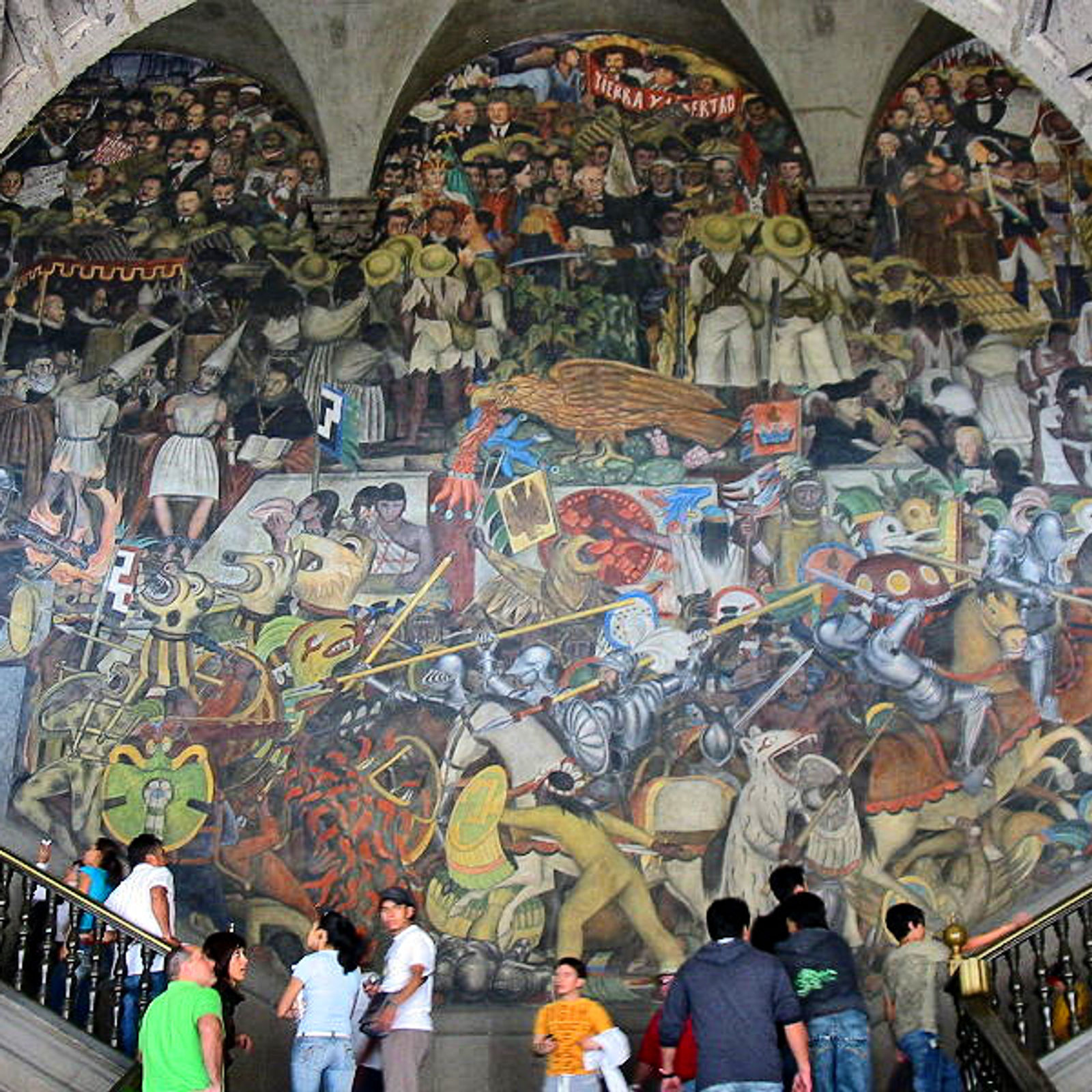
By Thelmadatter, CC BY-SA 3.0
In the center of the facade, a balcony and a bell.
Every September 15, at nightfall, the president grabs the rope of the Campana de Dolores and launches the Grito — the cry for independence of 1810 — in front of a crowded square.
Few state rituals condense a nation so much into a single gesture.
The balcony transforms the architecture into a tribune, and the crowd into a summoned witness.
Since 2018, the palace has once again become a presidential residence as well as an executive headquarters: we sleep there, we work there, we entertain there.
Official dinners under the frescoes, protocol circulations between colonial patios and contemporary offices, state security superimposed on the tourist flow of a monument that remains open to the public.
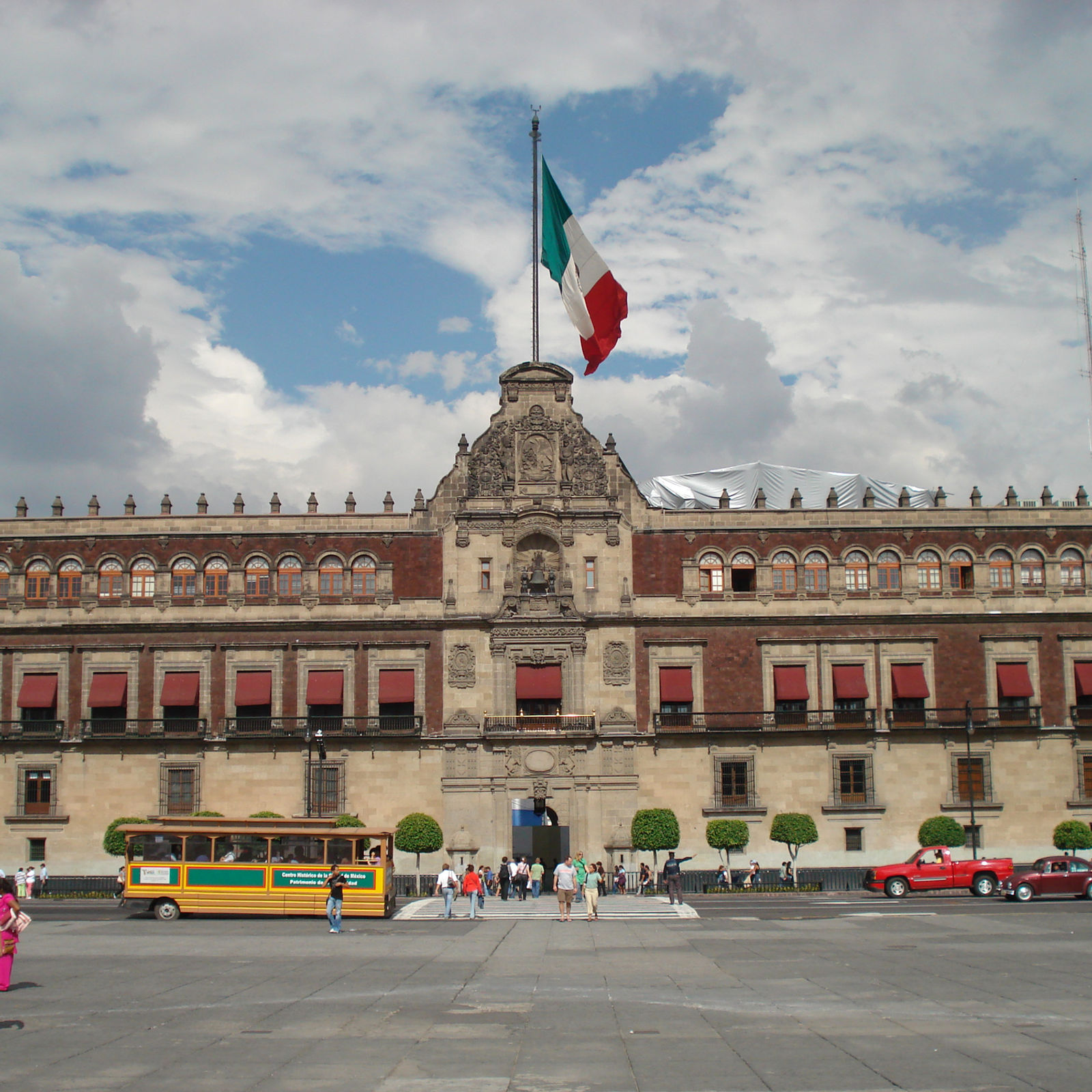
By Cornell University Library
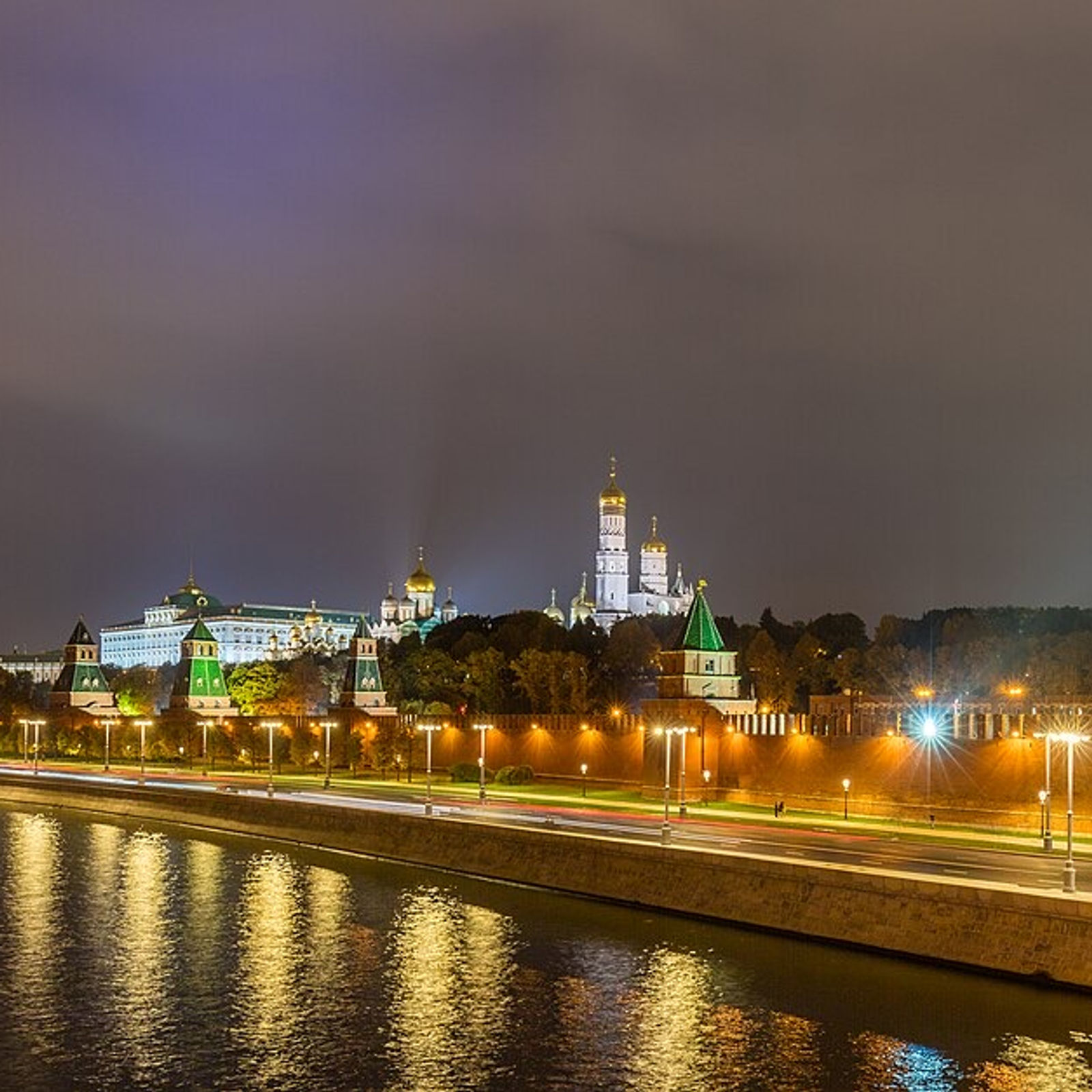
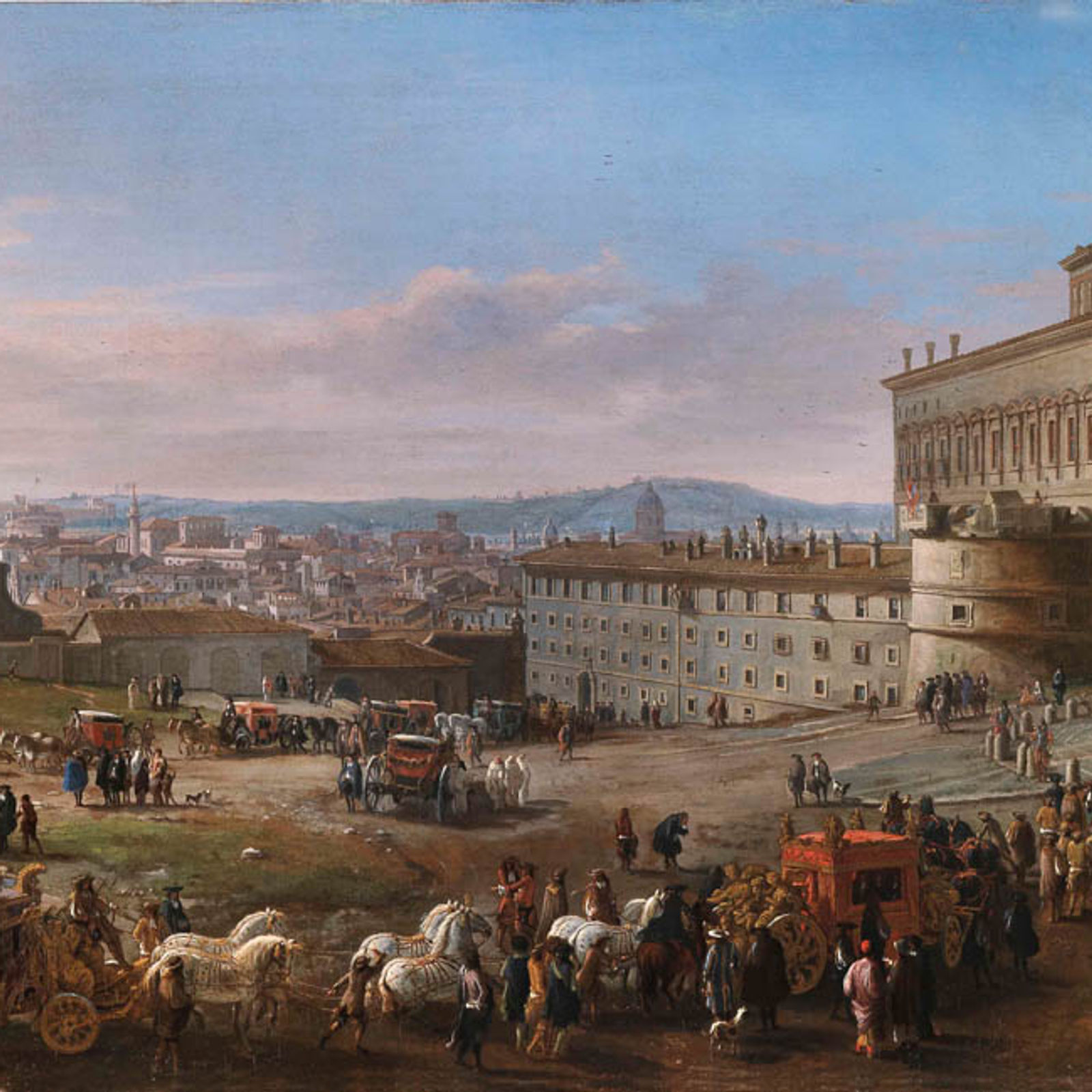
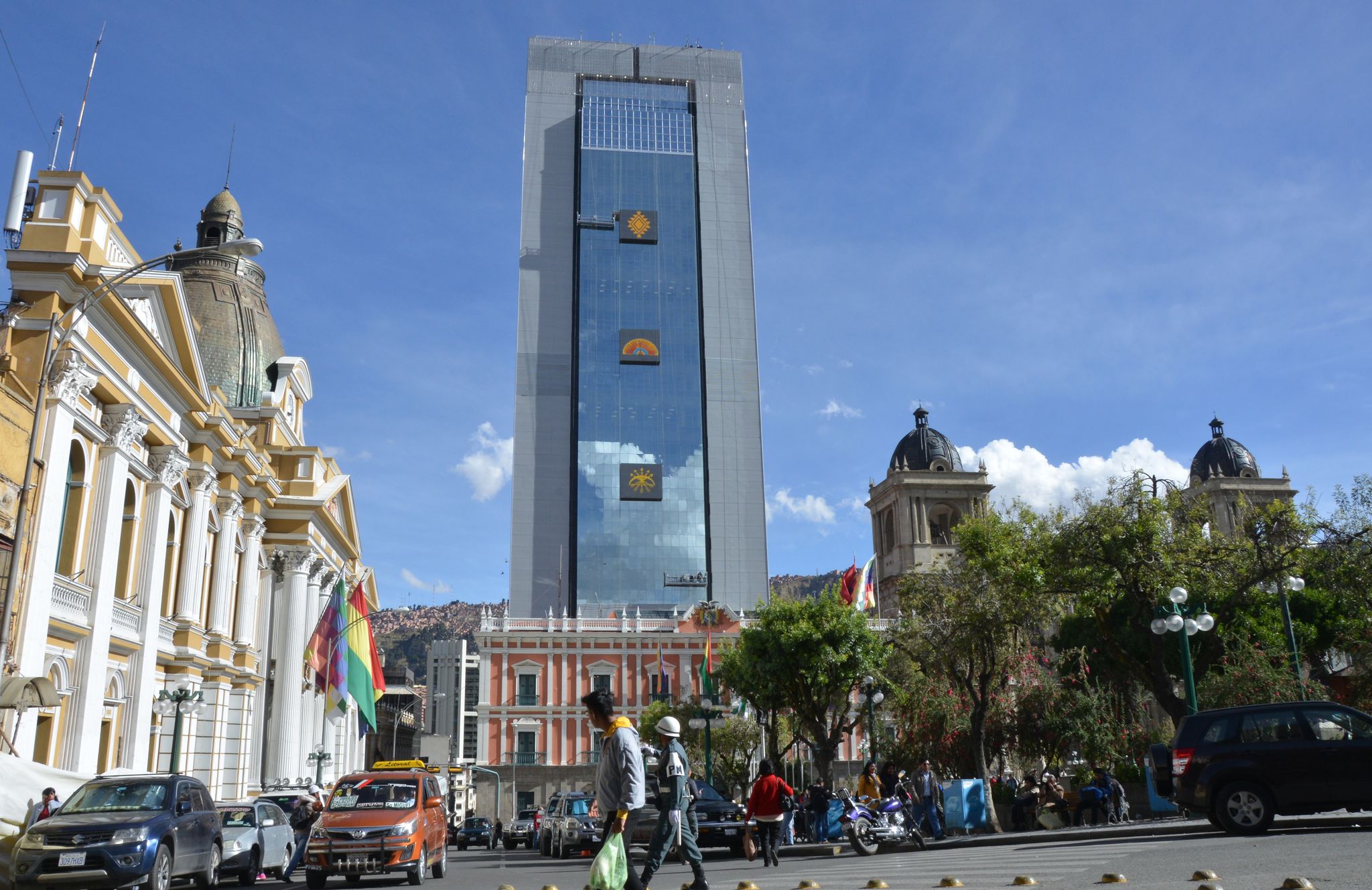
As in Moscow or Rome, stewardship becomes an act of sovereignty: keeping this place in order means holding together seven centuries of history and the agenda of a current head of state.