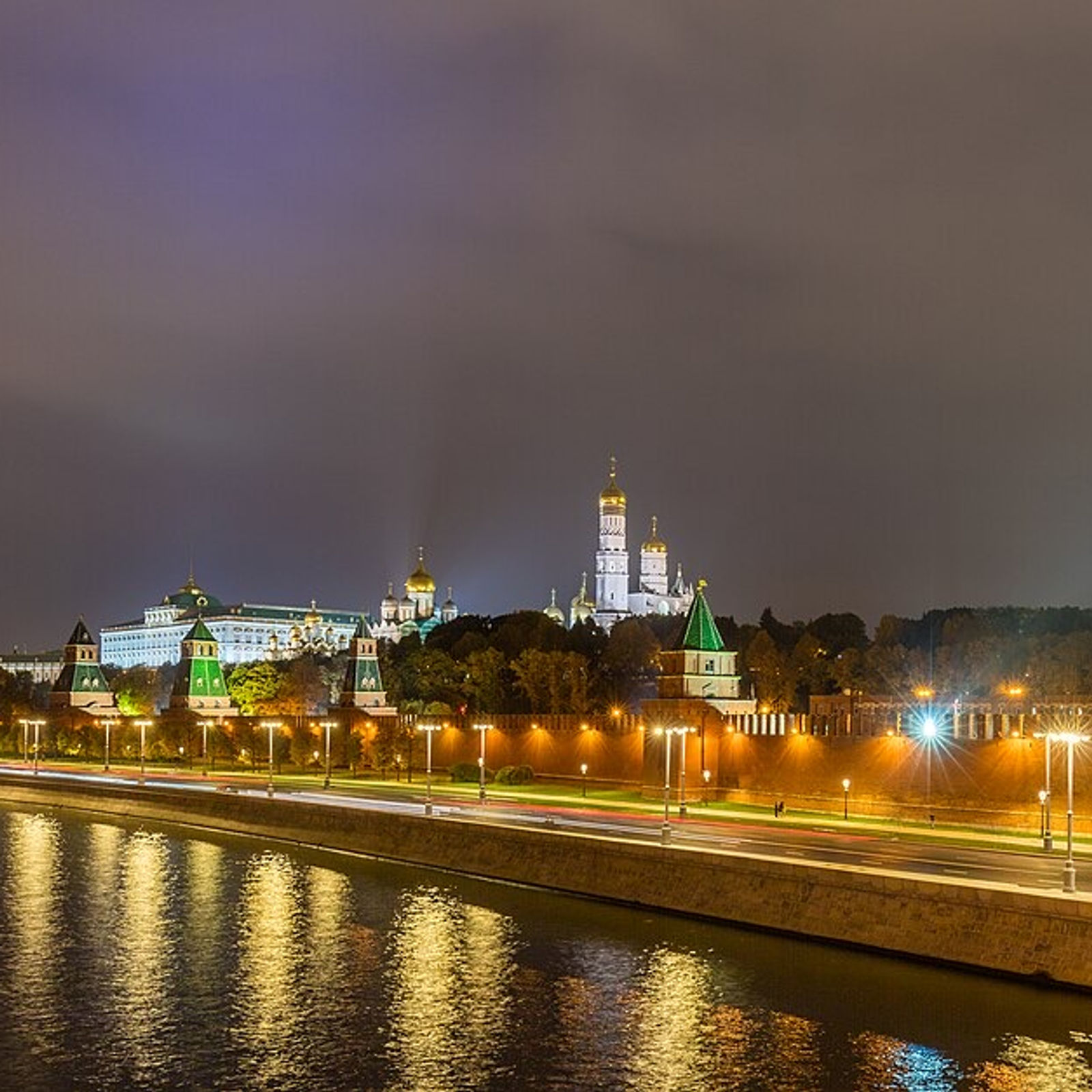
No Western head of state governs from a fortress. The Russian president, yes. The Kremlin is not just any one building: it is a triangular citadel, crenellated walls dominating the Moskva, control towers, cathedrals with golden onions, ceremonial palaces. Power circulates between thresholds rather than behind a facade.
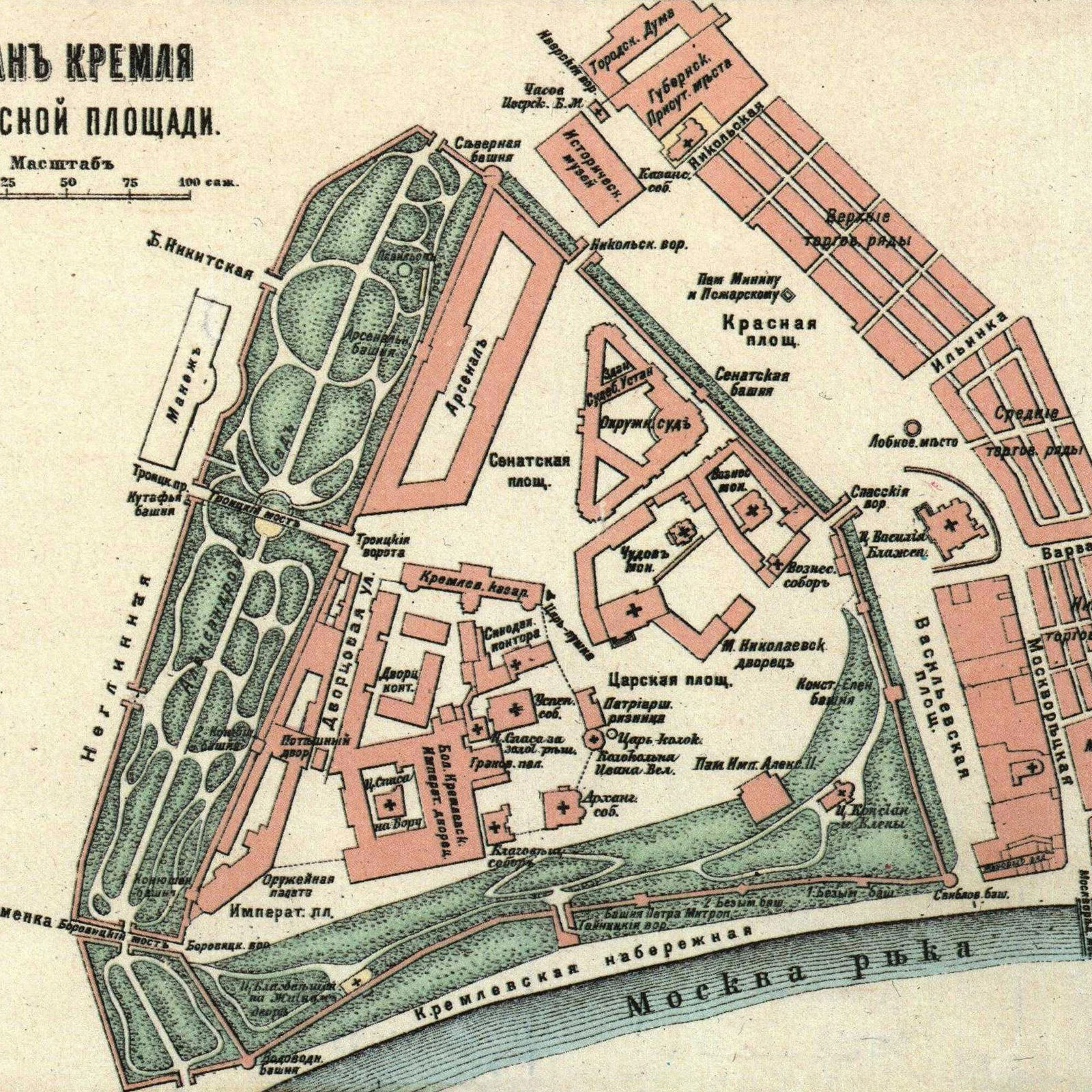
Edition A. S. Suvorin - “New Time”
This logic cuts across regimes. Tsarat, Empire, USSR, Federation: all have retained the same enclosure. Even Soviet power, officially atheist and anti-imperial, never left the walls of Ivan III. The regime changes, the citadel remains.
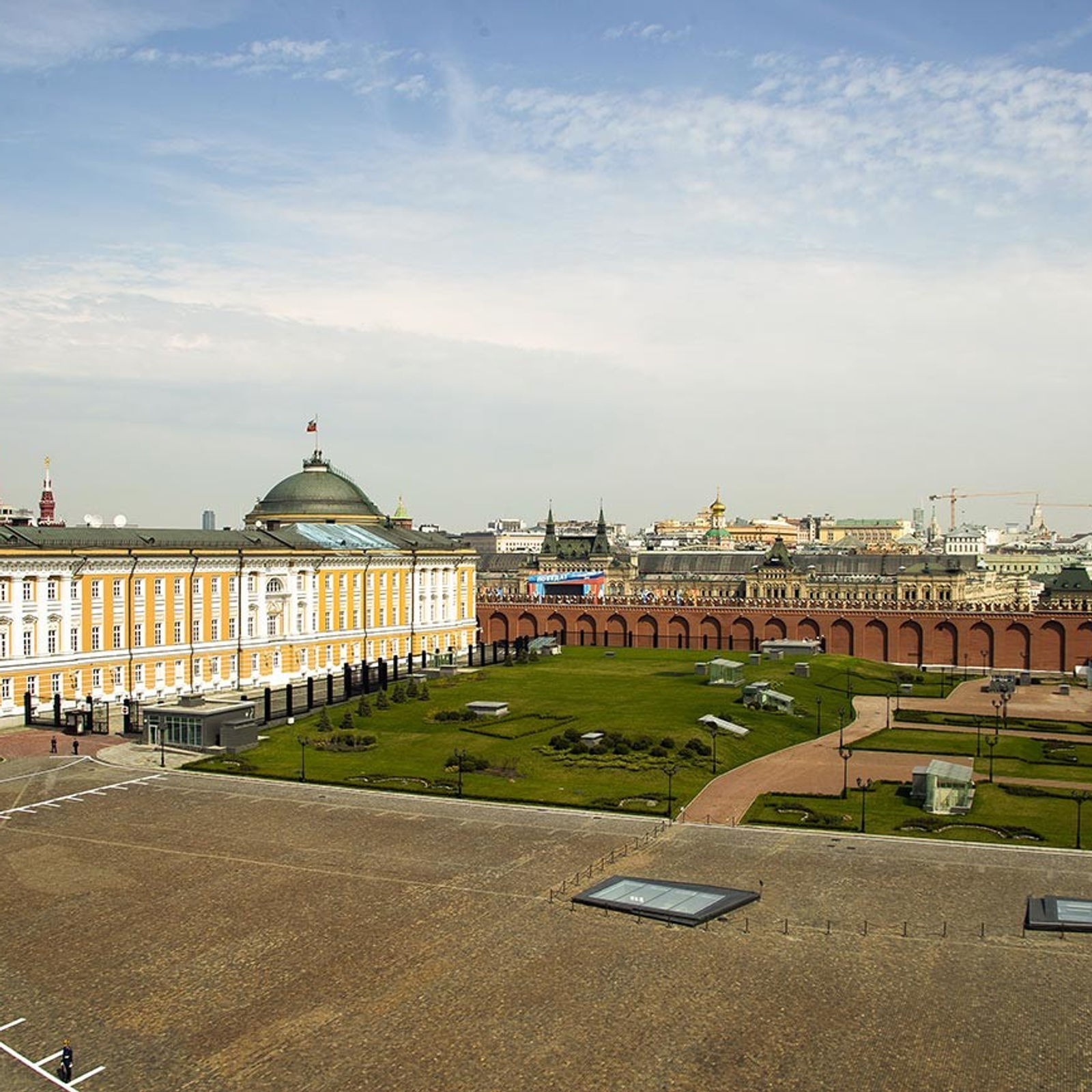
Ivanovskaya Square in the Kremlin. The Senate building (left) and Spasskaya Tower (right) Vitaly Belousov / Sputnik
At the heart of the presidential system: the cathedrals. It is not a residual inheritance. It’s a story. After the fall of Constantinople in 1453, the doctrine of the Third Rome, formulated in the 16th century, made Moscow the heir of Byzantium and the last bastion of Orthodoxy. The tsar was simultaneously temporal sovereign and sacred figure: the coronation anointing, the Patriarchate of Moscow, processions on Cathedral Square — the State and the Church shared the same verticality.
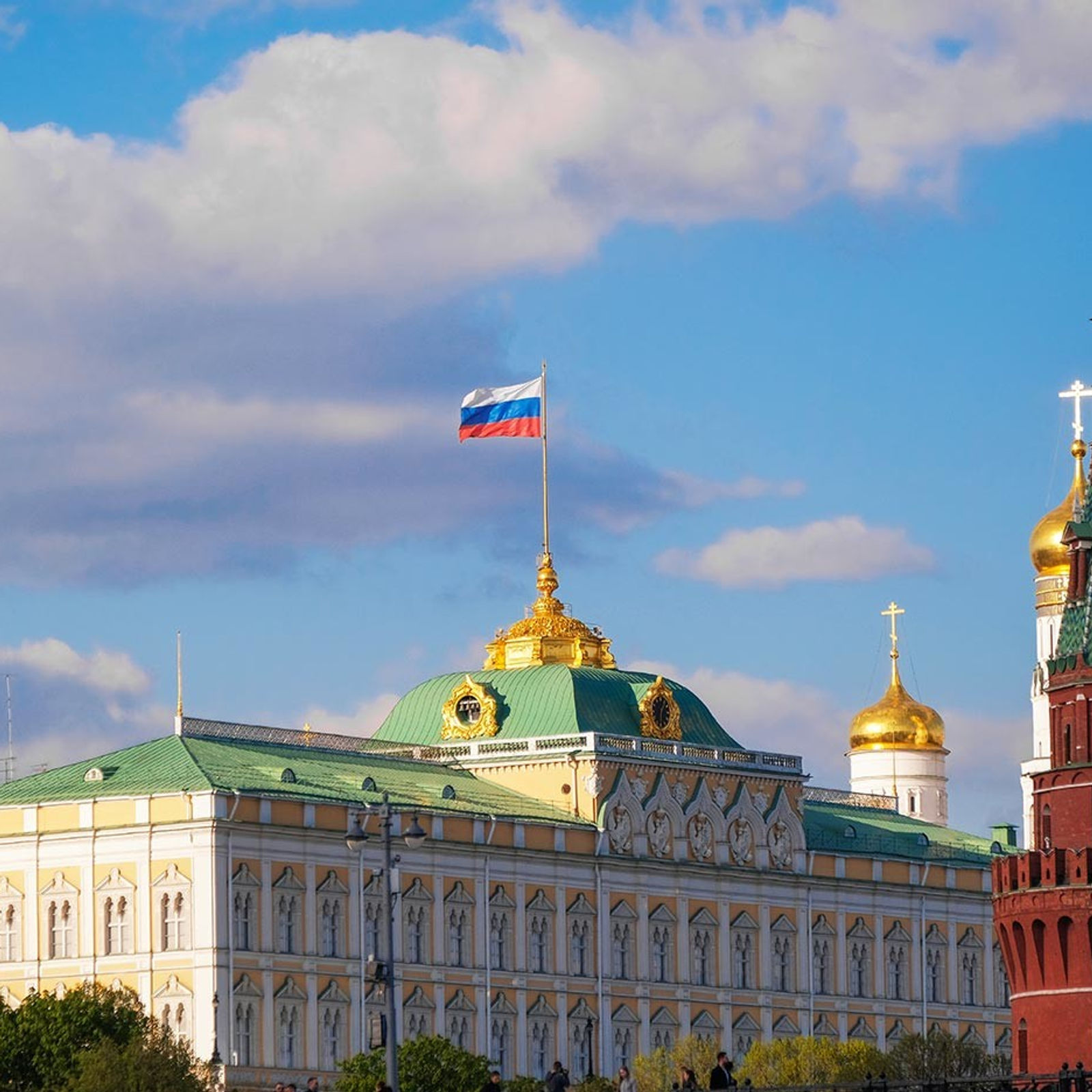
The Grand Kremlin Palace and the Vodovzvodnaya Tower
Natalia Seliverstova / Sputnik
The Soviet parenthesis loosened this link without breaking it. Analytical reading: since the 2000s, the scenography of Russian power seems to methodically reactivate this heritage. The president takes the oath in the Saint-André room, a few meters from the domes. The flag goes up on the Senate. The regiment parades in front of the cathedrals. At each inauguration, Russia replays the founding story it gives itself: a continental state backed by a thousand years of orthodoxy.
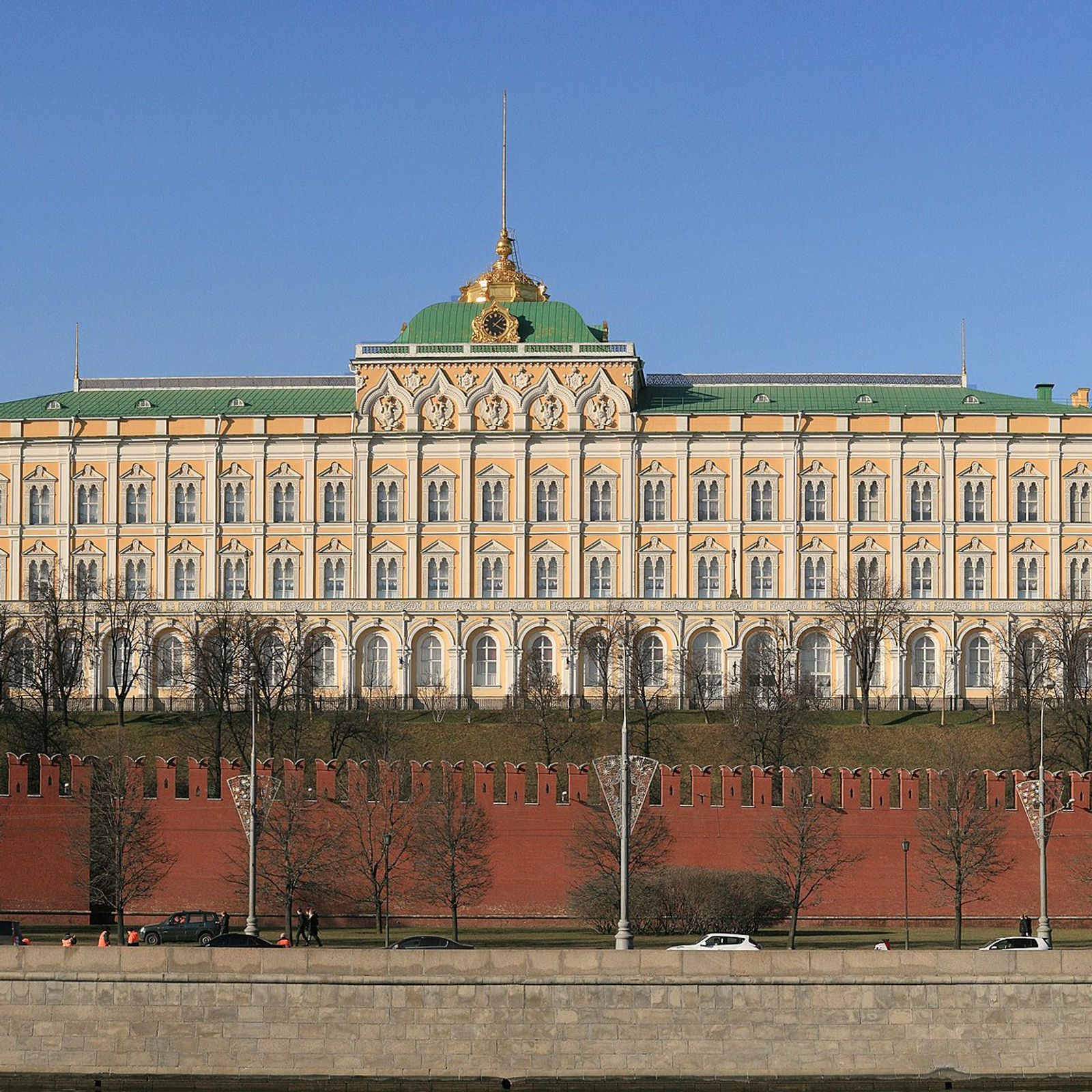
Source: By Ludvig14 — Own work, CC BY-SA 3.0
A state dinner at the Kremlin is never an act of hospitality. It’s a demonstration. Segmented circulations, politically charged precedence, ritualized transitions. Federal security, diplomatic flows, UNESCO classification and controlled tourism are superimposed under permanent tension. Logistics becomes an act of sovereignty.