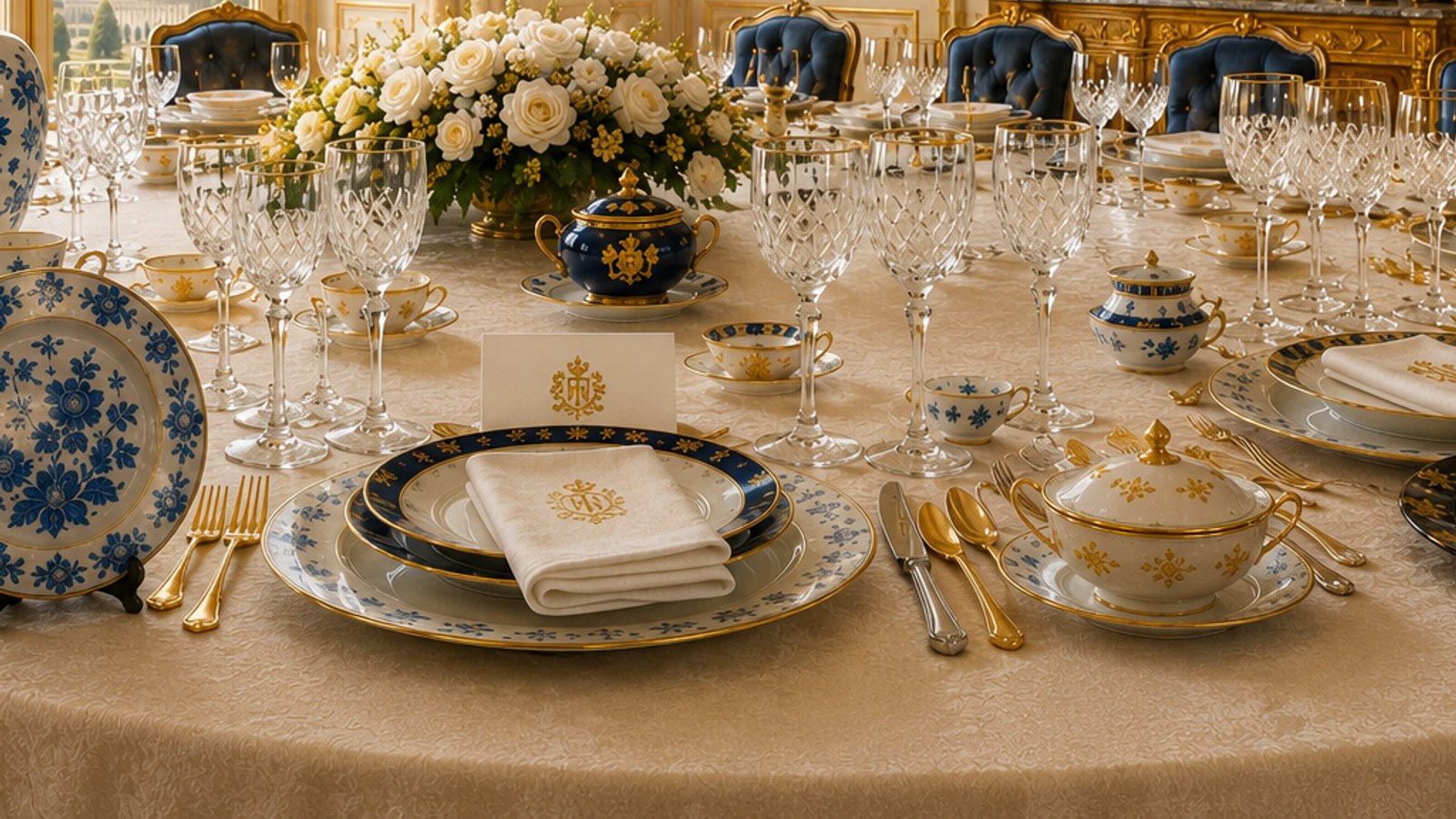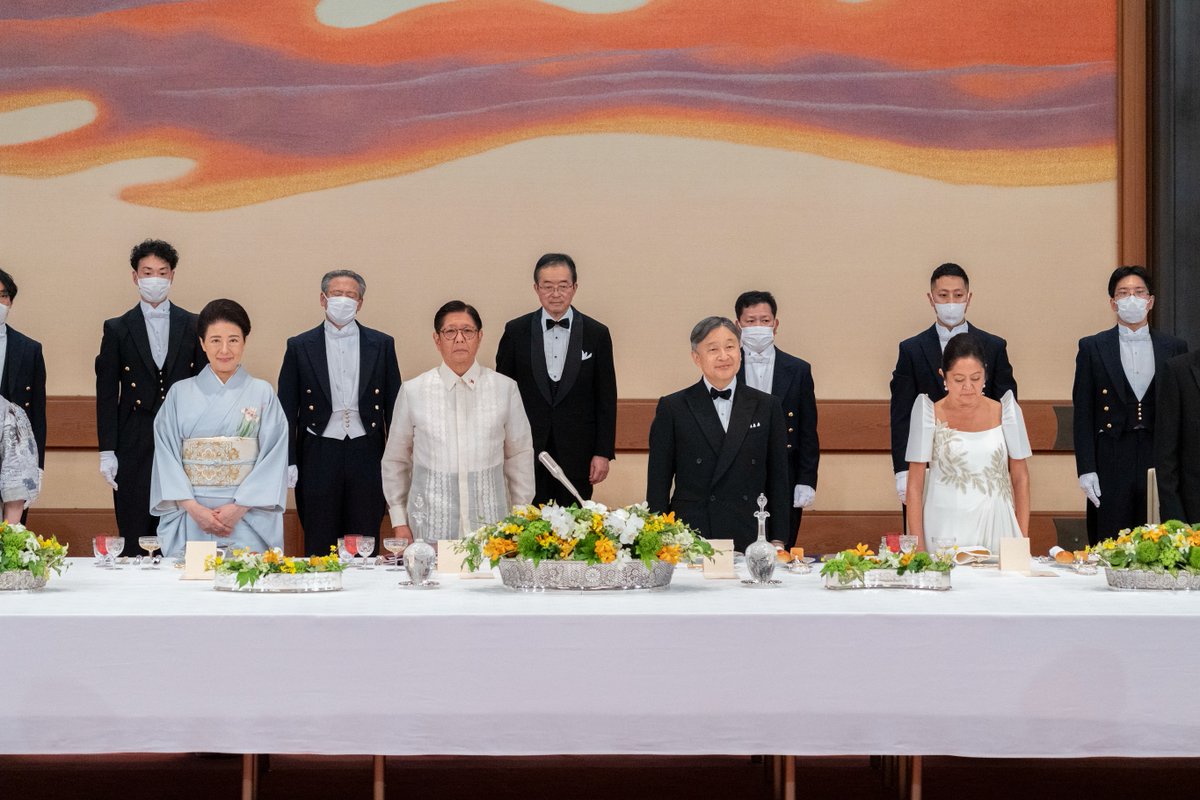
On the evening of June 25, 2024, in the Ballroom of Buckingham Palace, Charles III receives Emperor Naruhito and Empress Masako — the first Japanese state visit to the United Kingdom since 1998. Under the six chandeliers, the horseshoe table sparkles with George IV’s silver-gilt. But the discerning eye stops elsewhere: on the plates. Because at a royal table, porcelain does not accompany the meal – it sets the scene. A state banquet is played out in several acts, and each act has its service.
Act I — the signature of the King
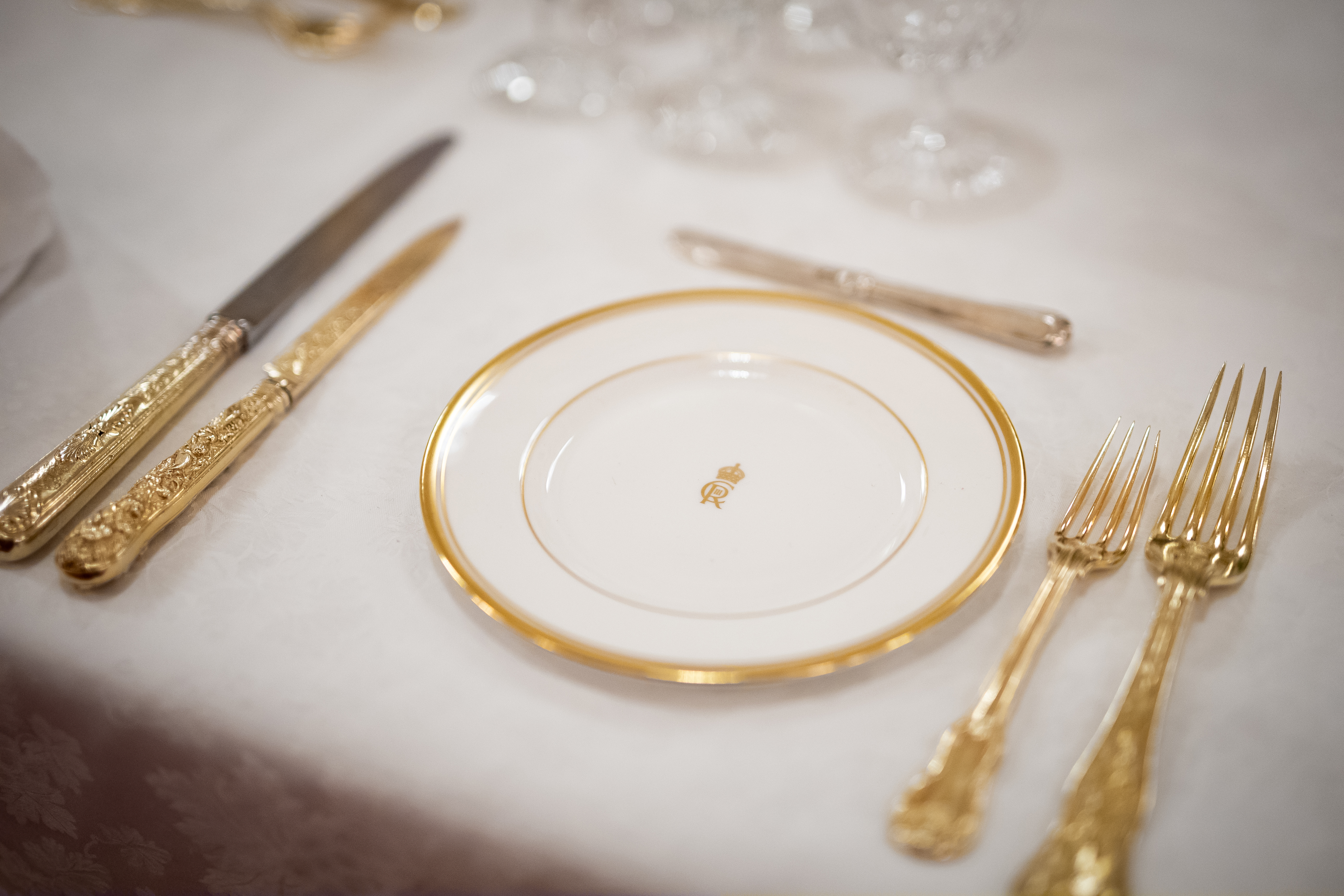
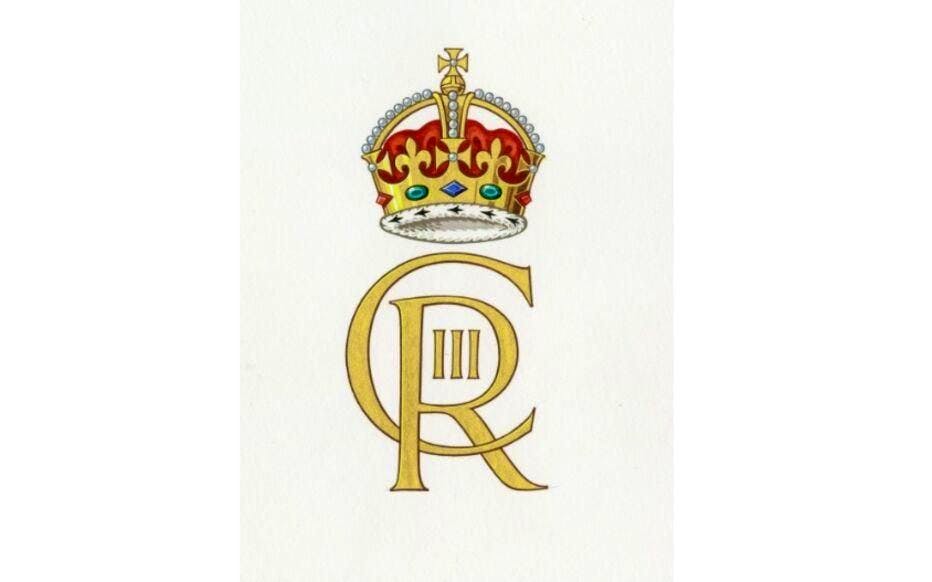
The first gesture is a signature. On the bread plate - white porcelain rimmed with gold, from the Coronation service of 1953 - stands out, in its center, a golden royal numeral: the “CIIIR” of Charles III, unveiled in September 2022. Where these pieces until then bore the “EIIR” of Elizabeth II, the new king now affixes his own, patiently re-engraved, piece by piece - a project started from the first banquets of the reign. At the table where he received the emperor, Charles III did not simply preside: he signed. Even before the first service, the place setting says who is receiving, and in the name of what reign.
Act II — Victoria’s turquoise
Comes the dessert, and the table changes register. The plates with the turquoise edge of the Minton service appear, commissioned for Queen Victoria in 1877. The color, suddenly, is daring. This deep blue-green, enhanced with gold, shifts dinner from protocol to pleasure: we leave savory for sweet, rigor for indulgence. Nearly a century and a half after their creation, these pieces are still in use. Proof that in Buckingham, dishes are not consumed: they are passed on.
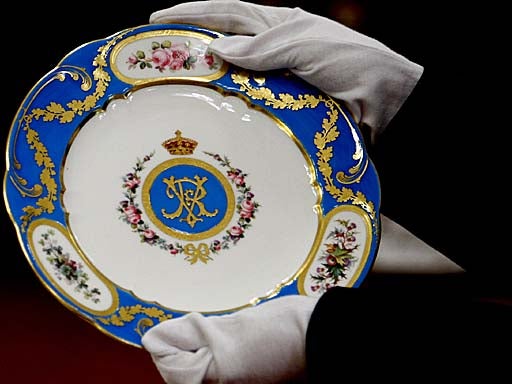
Royal Collection Trust © Her Majesty Queen Elizabeth II, 2013.
Act III — exotic birds
Dessert — fruit, in the royal sense of the term — calls for the most poetic service in the house: 18th-century porcelain acquired by George IV, each plate of which is painted with a different exotic bird. The meal ends in an aviary. Where the gold-lined plate spoke of the State and the Minton of celebration, the birds speak of reverie: we now dine in a painted garden, and splendor becomes conversation. The guest not only changes his plate; it changes atmosphere.
The partition of the plate
Three services, three moments, three languages. What the guest takes for a simple change of dishes is in reality a long-established score, where the porcelain punctuates the emotion as much as the menu. Sobriety to seat, color to delight, painting to enchant: the table rises in intensity as a work rises towards its finale.
And behind each piece placed, there is the gesture. The valet in scarlet livery who adjusts a salt shaker to the millimeter reminds us of the essential: these porcelains are nothing without the hand that orders them, nor without the centuries of collection and the weeks of preparation that precede them. At the table of Charles III, entertaining an emperor also means knowing which porcelain is used for what — and at what precise moment. Diplomacy is declared in speeches. It is confirmed on the plate.