In 2002, an article in The Economist devoted to the Thai “Global Thai” program introduced an expression destined to make a career: “gastro-diplomacy”. The principle is simple and extremely effective. The state finances the opening of Thai restaurants abroad, trains chefs, standardizes recipes, and transforms each table set in London, Paris or New York into an outpost of influence. In a few years, thousands of restaurants have become so many informal embassies, capable of making a country known better than an official speech or a classic communication campaign.
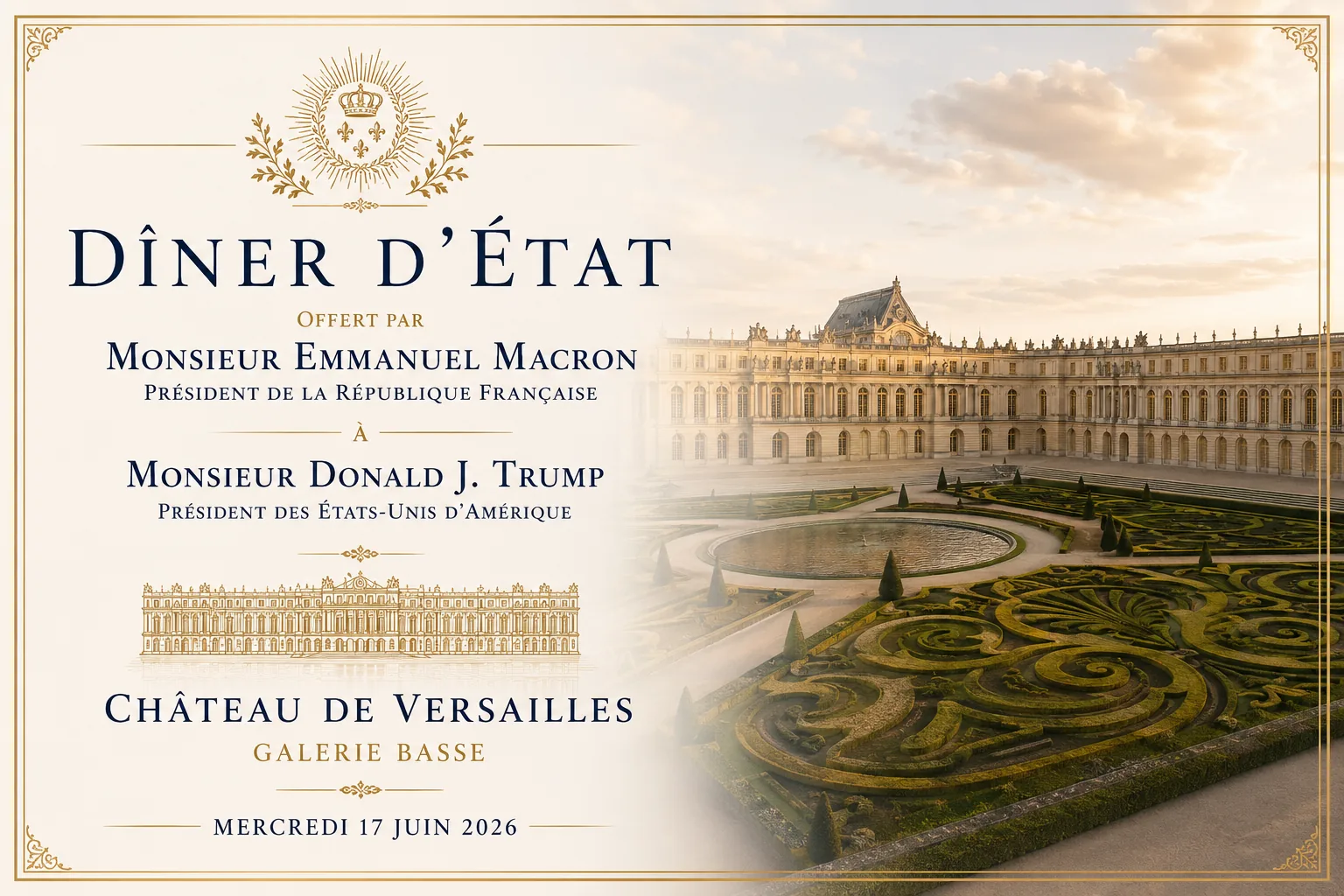
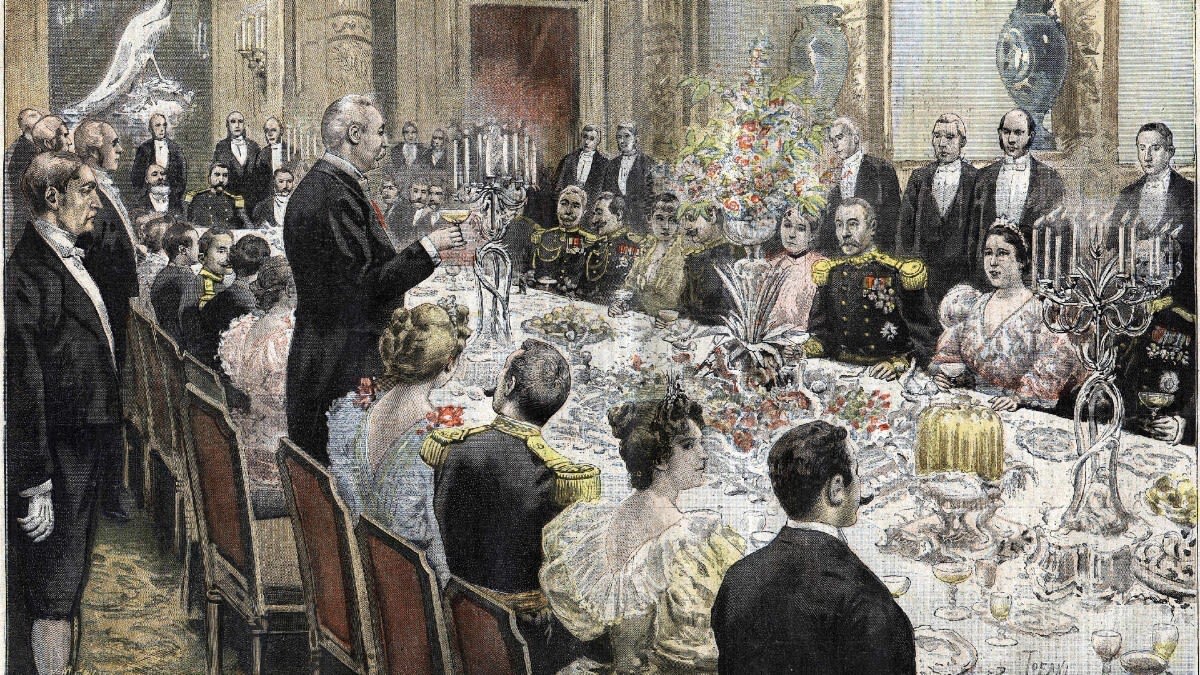
This seminal case illustrates a broader reality. Gastronomy has never been absent from diplomacy, state dinners and formal banquets have demonstrated this for centuries. But since the start of the 21st century, it has become one of the most visible and most coded instruments. Official dinner menus, campaigns promoting national cuisines and the proliferation of restaurants driven by a state strategy now make up a scene where an essential part of contemporary soft power is played out.
Culinary heritage as an issue of prestige
The inclusion of couscous in the intangible heritage of humanity, claimed jointly by several Maghreb countries after years of negotiations, illustrates the extent to which the definition of a “national dish” is loaded with politics, memory and cultural positioning. The question is never trivial: who invented this dish, who can legitimately claim it, who derives the symbolic benefit from it internationally.
Japan has followed a comparable path with the promotion of washoku by UNESCO, transforming a culinary tradition into an accepted tool of cultural diplomacy. The United States, for their part, has been carrying out in-depth work for several years to go beyond the reductive image of the country of the hamburger and highlight the diversity of their regions and their migratory influences, proof that even a dominant power feels the need to take care of its gastronomic story.
The protocol meal, scene of discreet negotiation
Beyond national campaigns and heritage labels, modern diplomatic gastronomy is embodied in a more intimate scene: that of the protocol meal, where heads of state, ministers and negotiators meet at the table.
The conviviality, hospitality and storytelling of the dishes create a climate conducive to dialogue. Distances are reduced, and certain compromises are made discreetly on the sidelines of the menu, as an extension of a carefully thought-out dinner.
It is precisely this dimension that palatial stewardship is intended to serve. Composing a state menu is never just a culinary gesture. Each dish, each wine, each service protocol is part of a strategy where the symbol counts as much as the taste.
Entertaining at the table already means negotiating.