With the great ancient civilizations, the meal ceased to be solely an act of survival: it became a political, religious and social instrument.
The table now organizes hierarchies, asserts prestige and showcases power.
In ancient Egypt, tableware already had a sacred dimension. As early as the 5th millennium BC, artisans developed Egyptian earthenware, a shiny ceramic with turquoise reflections obtained thanks to vitrified glazes. This luminous material accompanies banquets, funeral rites and offerings to the gods. In royal tombs, the cups, jars and trays symbolize earthly wealth as much as the promise of abundance in the afterlife.
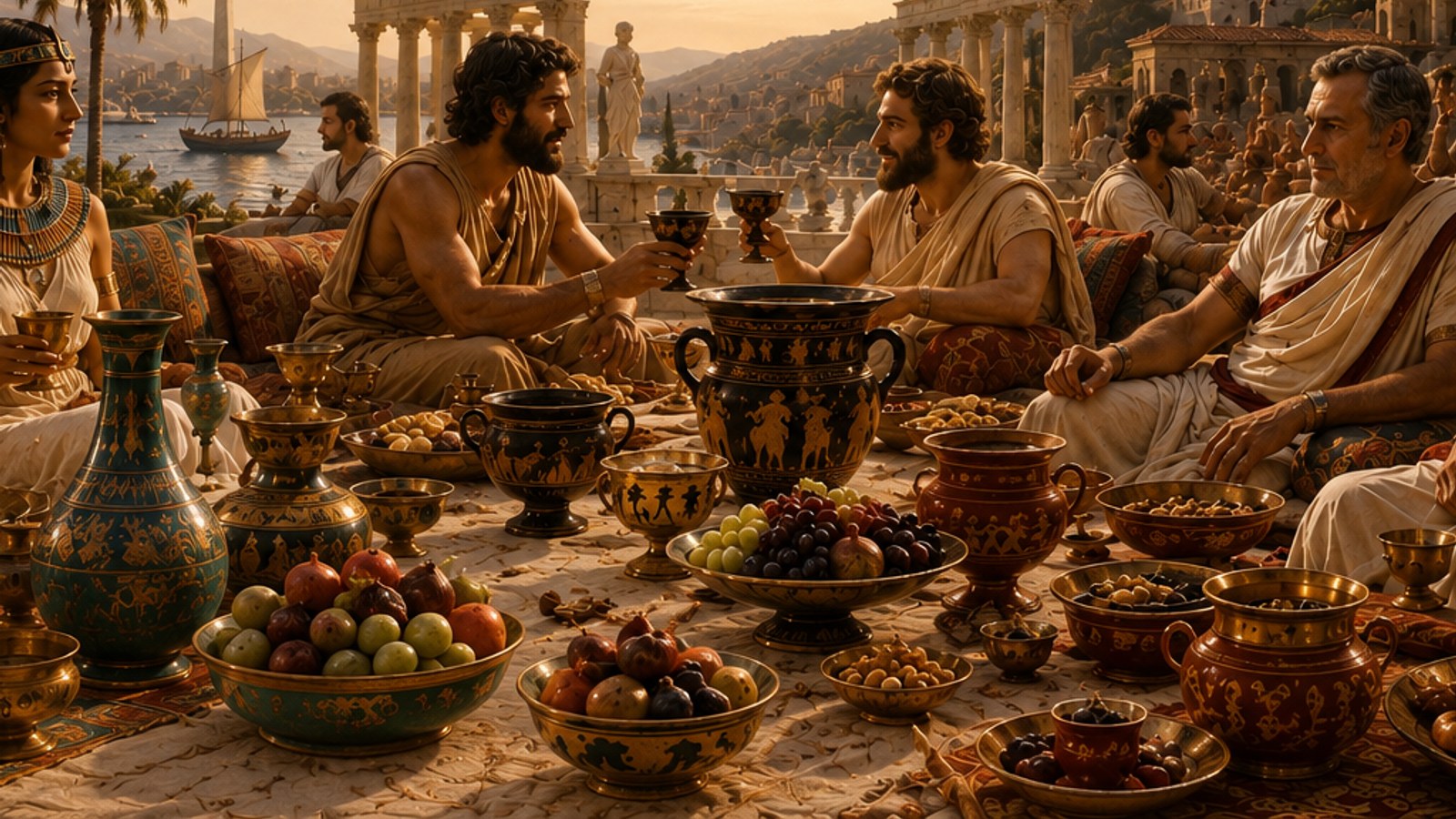
Among the Greeks, the banquet became an intellectual and aristocratic ritual: the symposion, literally “drinking together”. Lying on klinai, guests exchange poetry, philosophy and politics over wine mixed in the central crater. Each object has a specific function: kylix for drinking, amphora for preserving, oenochoe for serving.
Attic ceramics already transform the table into a codified language.
Rome amplifies this theatricalization of the meal. In the triclinium, the imperial elites organize spectacular dinners where abundance becomes a demonstration of power. Tableware became standardized thanks to terra sigillata, shiny red ceramic produced on a large scale throughout the Empire. The Gallic workshops of La Graufesenque manufacture tens of thousands of pieces by firing: a veritable table industry before its time.
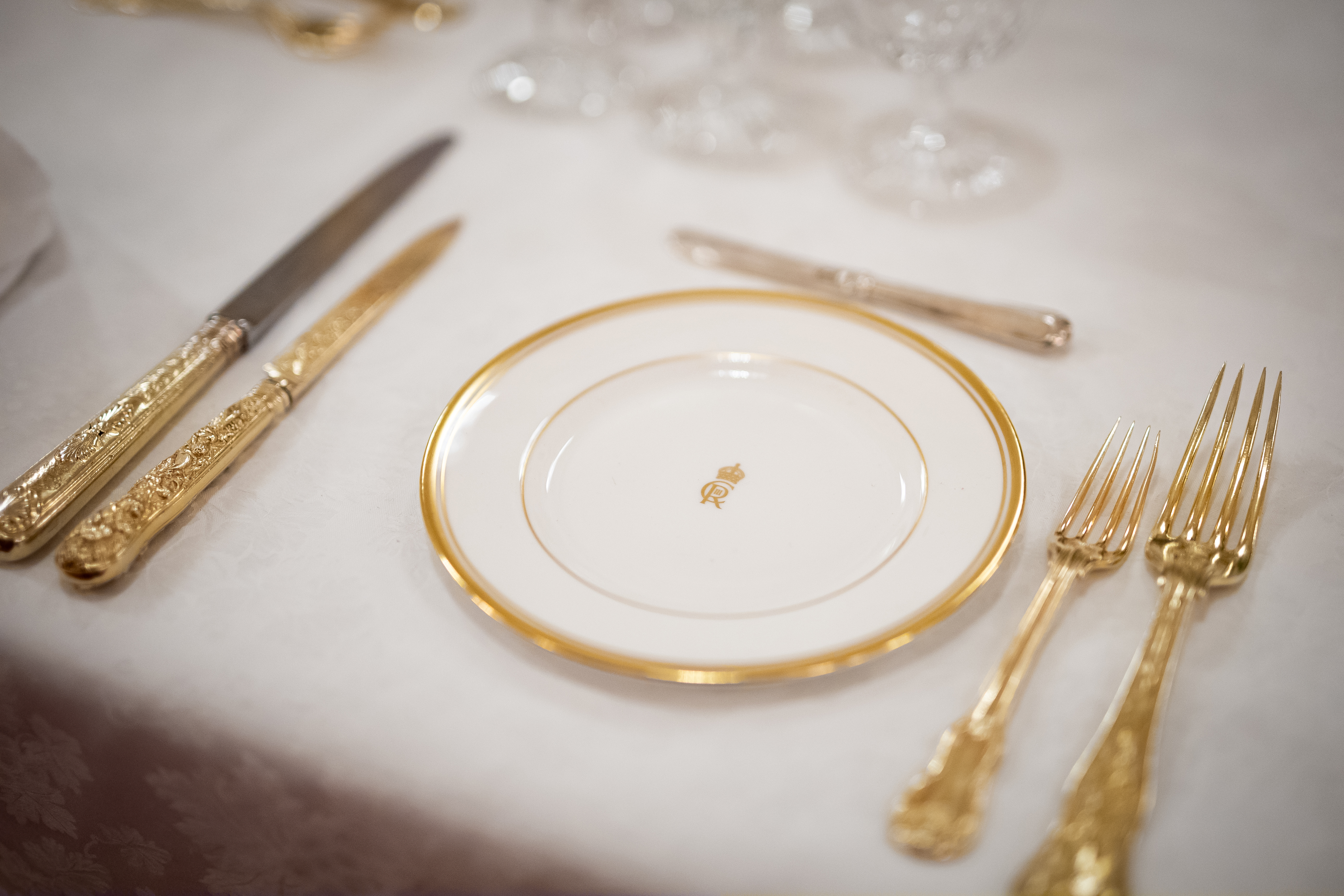
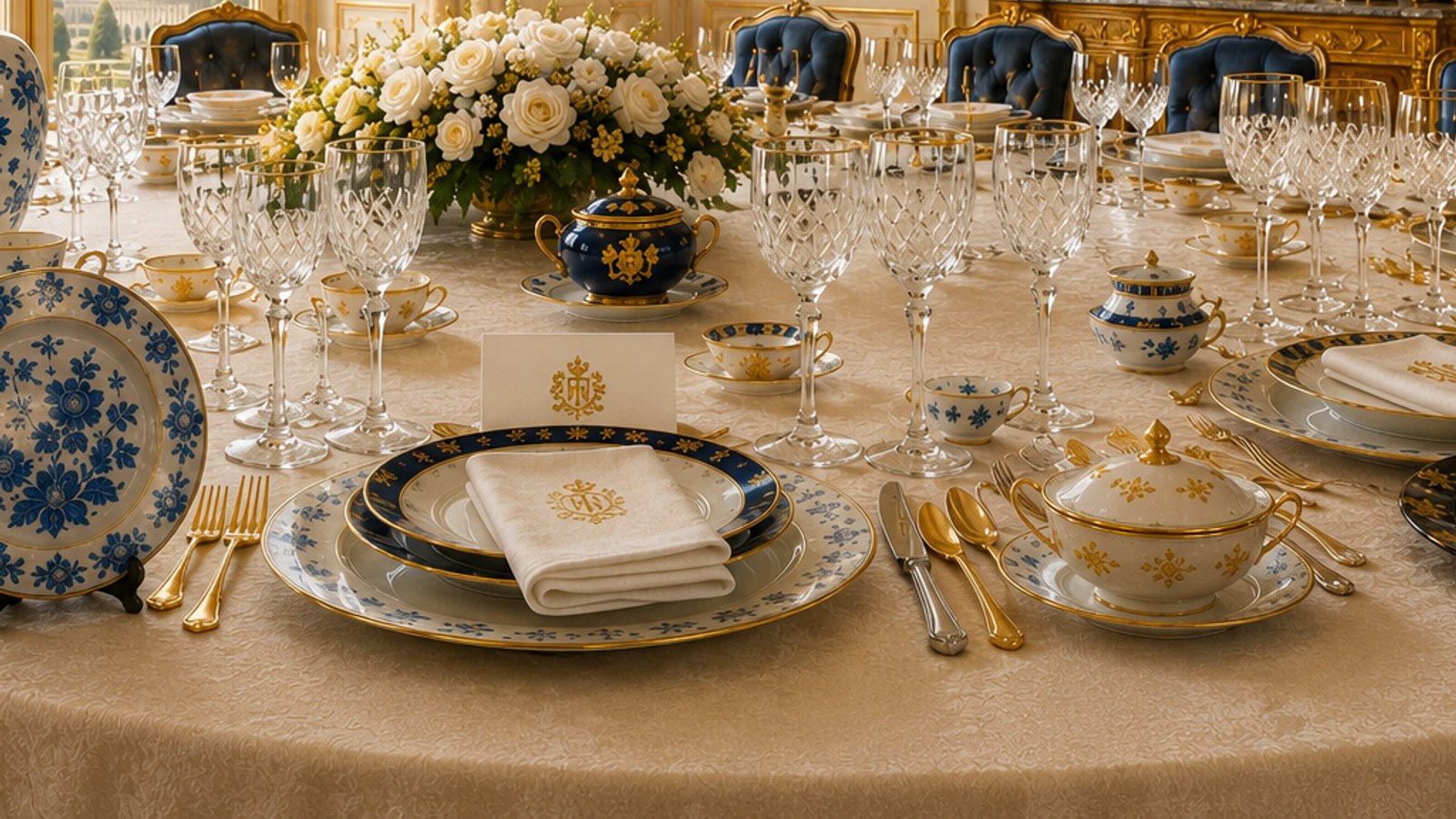
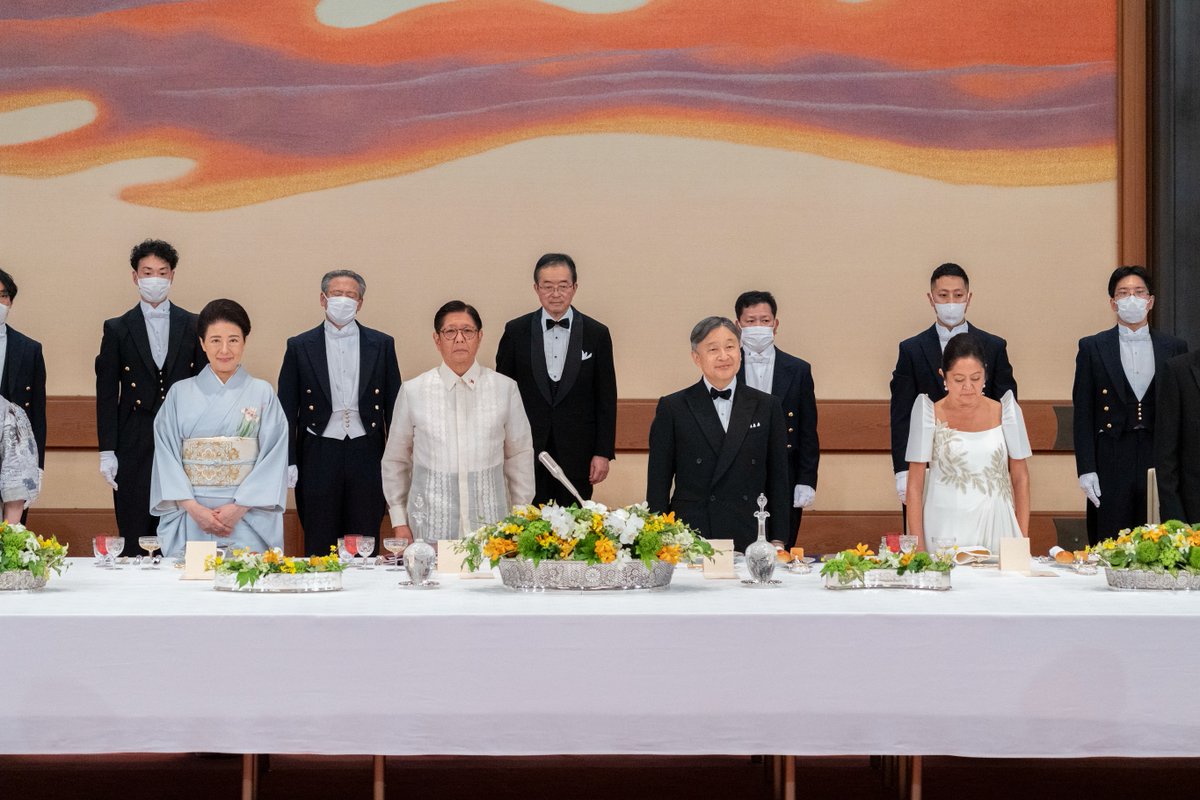
Across Egypt, Greece and Rome, an idea emerged lastingly: the way of serving, arranging and sharing food reveals the social order itself. The banquet then becomes a mirror of power – a principle which still structures large diplomatic tables today.