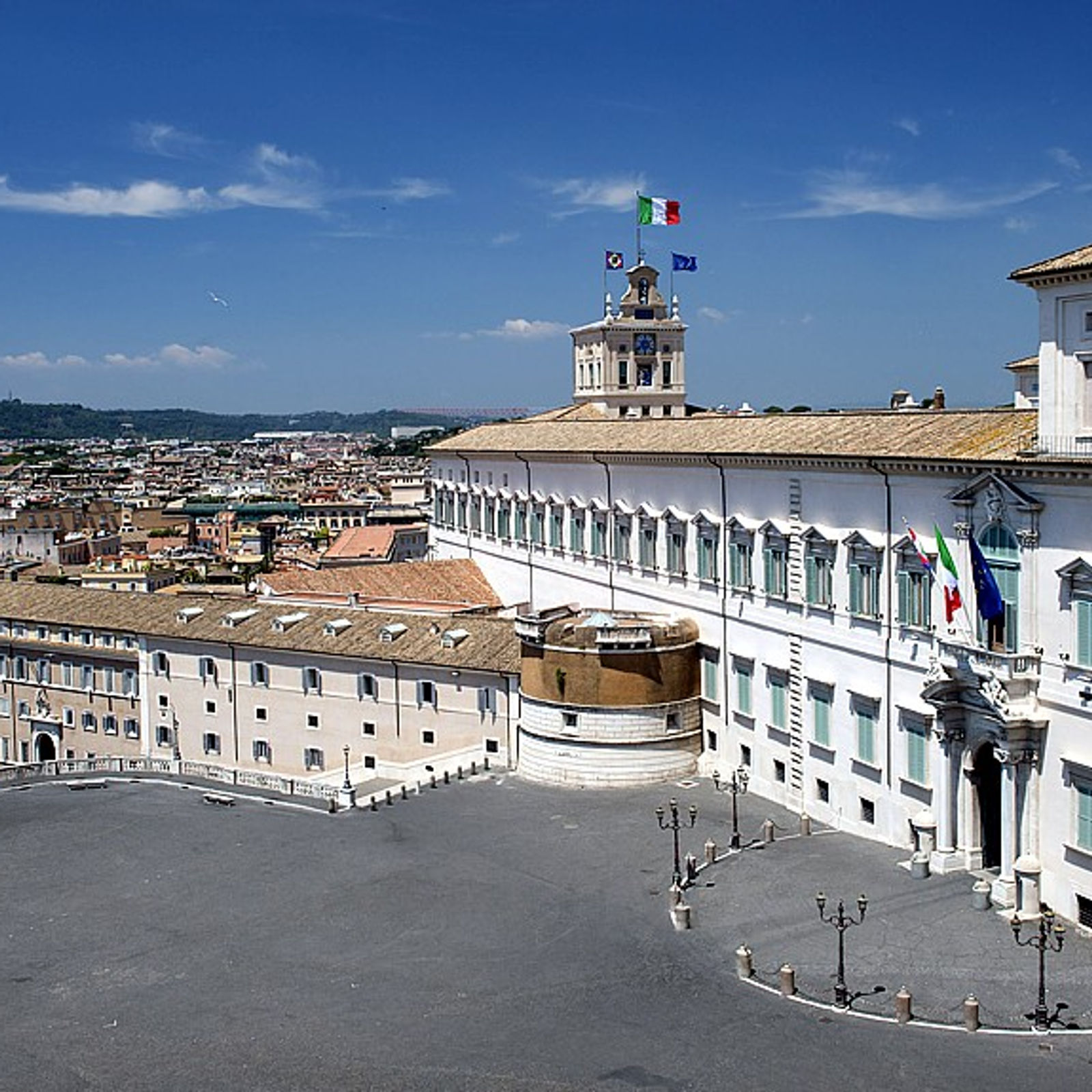
Official photo: Quirinal Palace
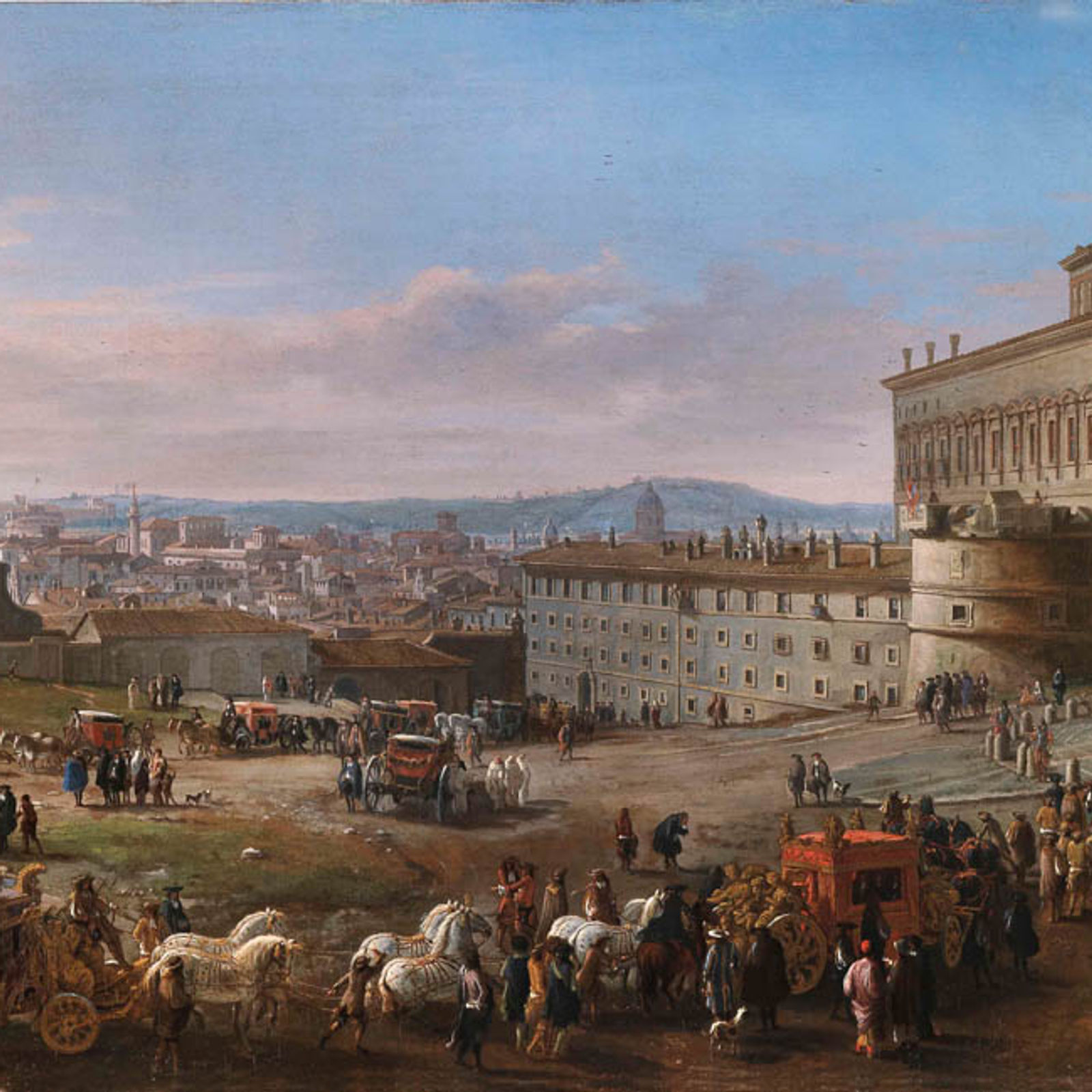
The Quirinal concentrates a rare singularity: the Italian Republic still governs in a palace designed for popes then adapted for kings. Since 1583, the place has crossed three sovereignties – pontifical, monarchical, republican – without major architectural break. This continuity makes it less a presidential residence than a palimpsest of Italian power.
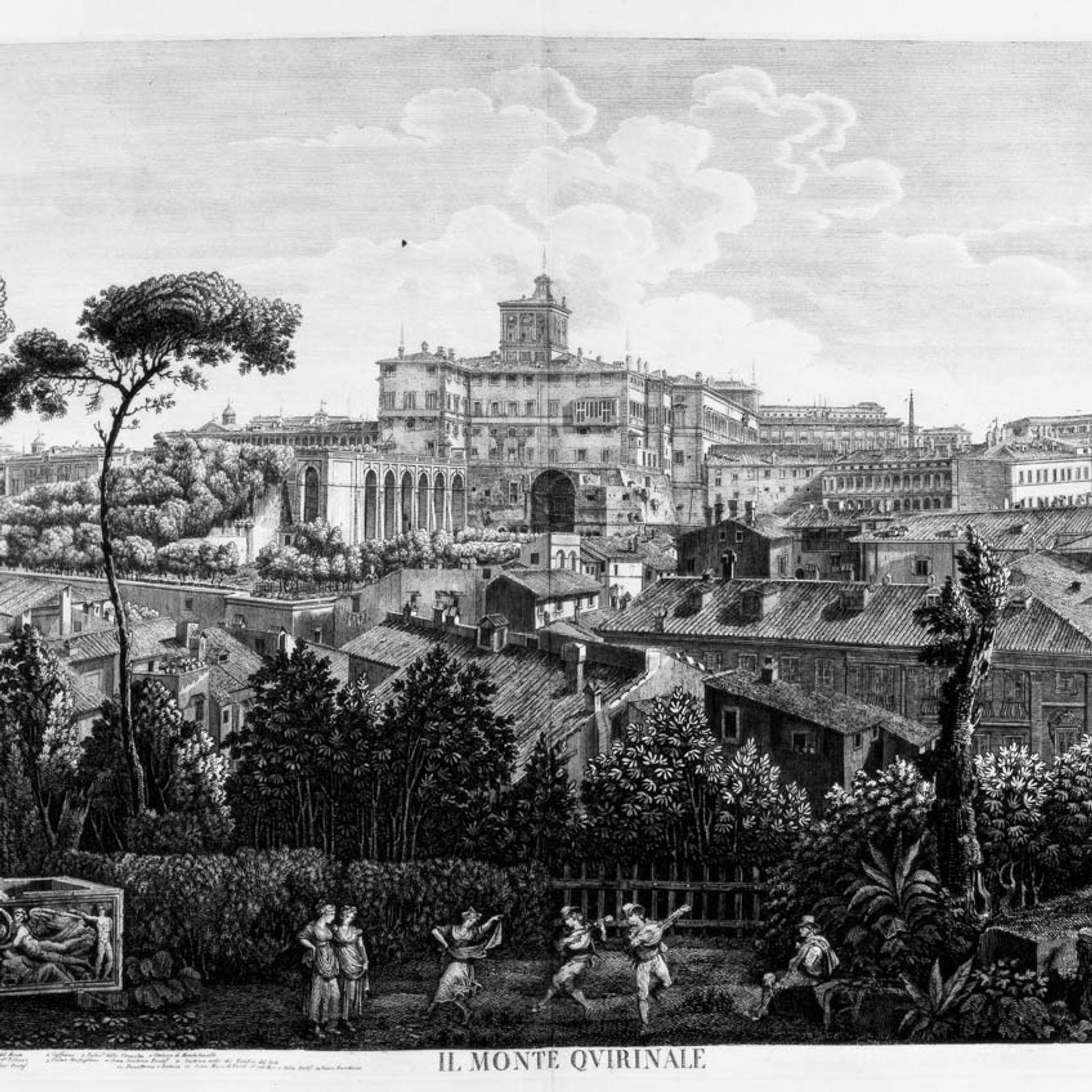
Official photo: Quirinal Palace
Installed on the highest hill in Rome, facing the Constitutional Court, the palace materializes the institutional geography of the State. Its monumentality – almost 110,000 m² – does not, however, produce an effect of frontal domination. The Quirinal favors ceremonial progression: courtyards, adjoining lounges, controlled sequences, strict hierarchy of circulation. Here, power is displayed through the rhythm and mastery of the routes.
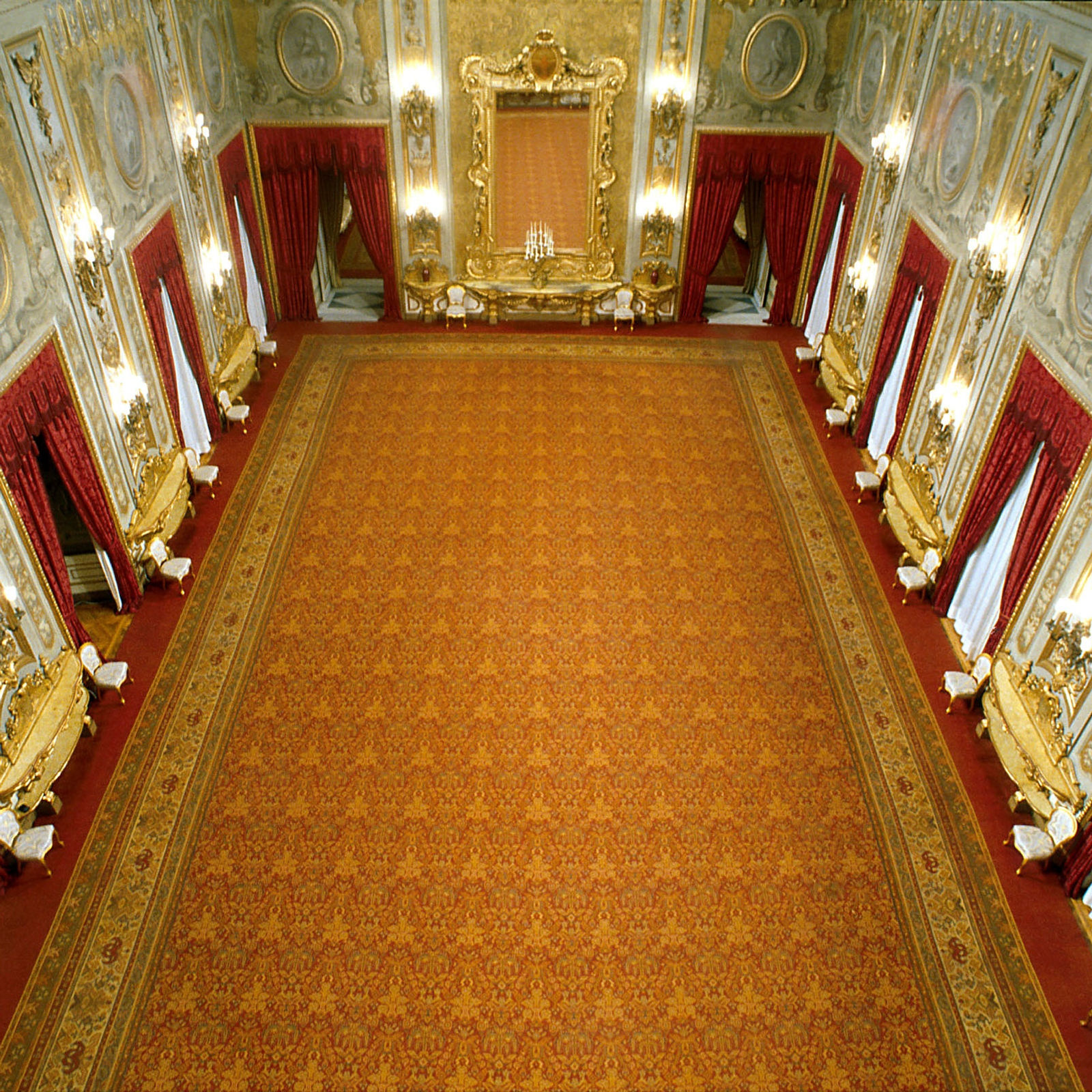
Official photo: Quirinal Palace (Festival Hall)
The Salone dei Corazzieri constitutes the symbolic heart of the system. The official presentations and state ceremonies continue a dramaturgy inherited from the pontifical court. The Sala delle Feste hosts state dinners, calibrated around a timed protocol: precise precedence, synchronized service, regulated timing. The meal becomes a diplomatic instrument as much as a logistical exercise.
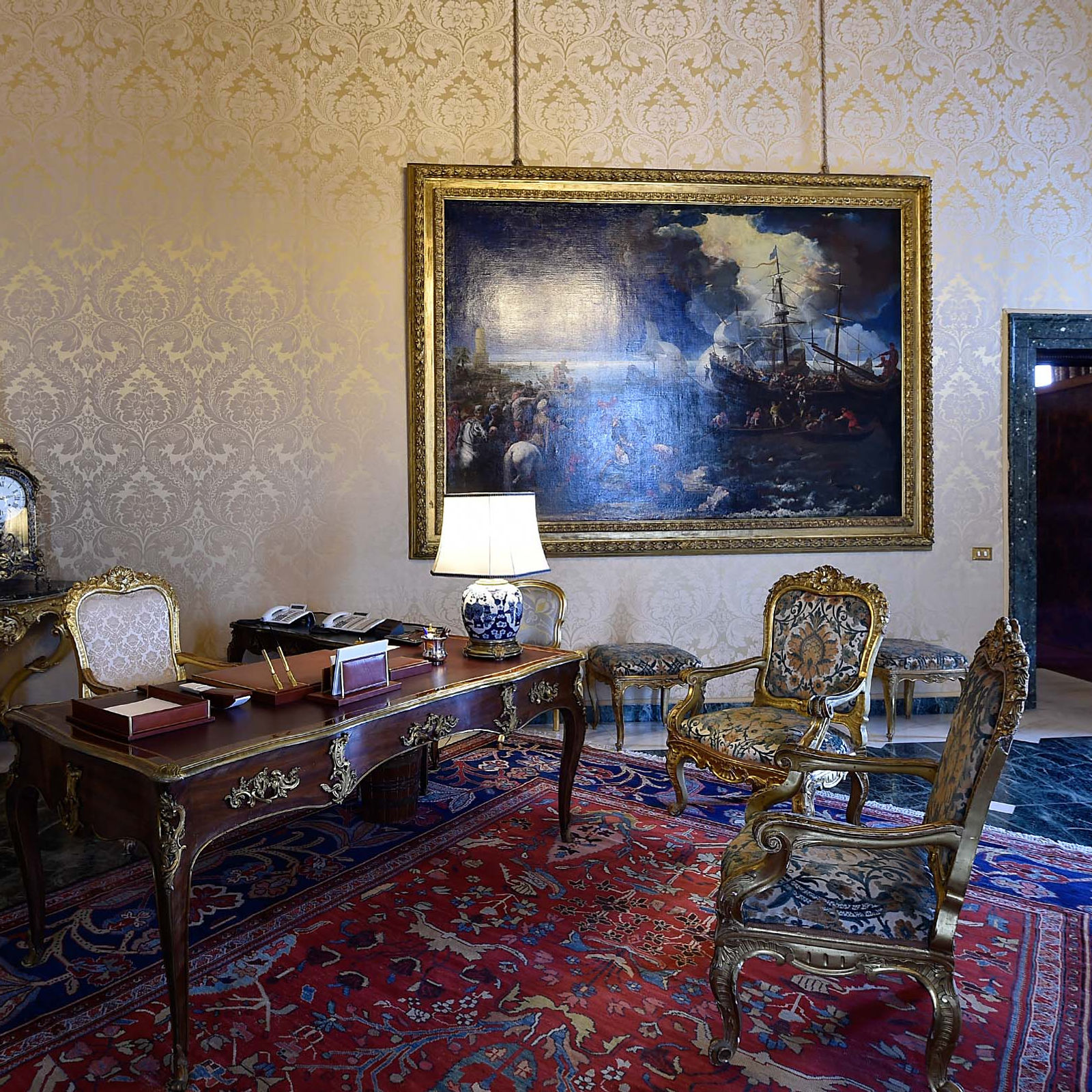
Official photo: Quirinal Palace (President’s Office)
Above all, the Quirinal reveals an Italian political culture based on reinterpretation rather than erasure. The Republic neither neutralized nor modernized the palace to break with its past. It has preserved the decorations of ancient power while reclassifying them as national heritage and civic scene. The current discourse of “home of all Italians” reflects this strategy: symbolically democratizing a place designed for absolute sovereignty.