In presidential and royal palaces, flowers do not only decorate the living rooms. They welcome, honor, soothe, seduce and tell a diplomatic story. Behind each bouquet hides a universal language that great palaces have cultivated for centuries.
In a state room, the first message is not always delivered by the head of state.
It can be placed a few hours earlier on a Louis XVI console, in the center of a banquet table or at the entrance to a reception room.
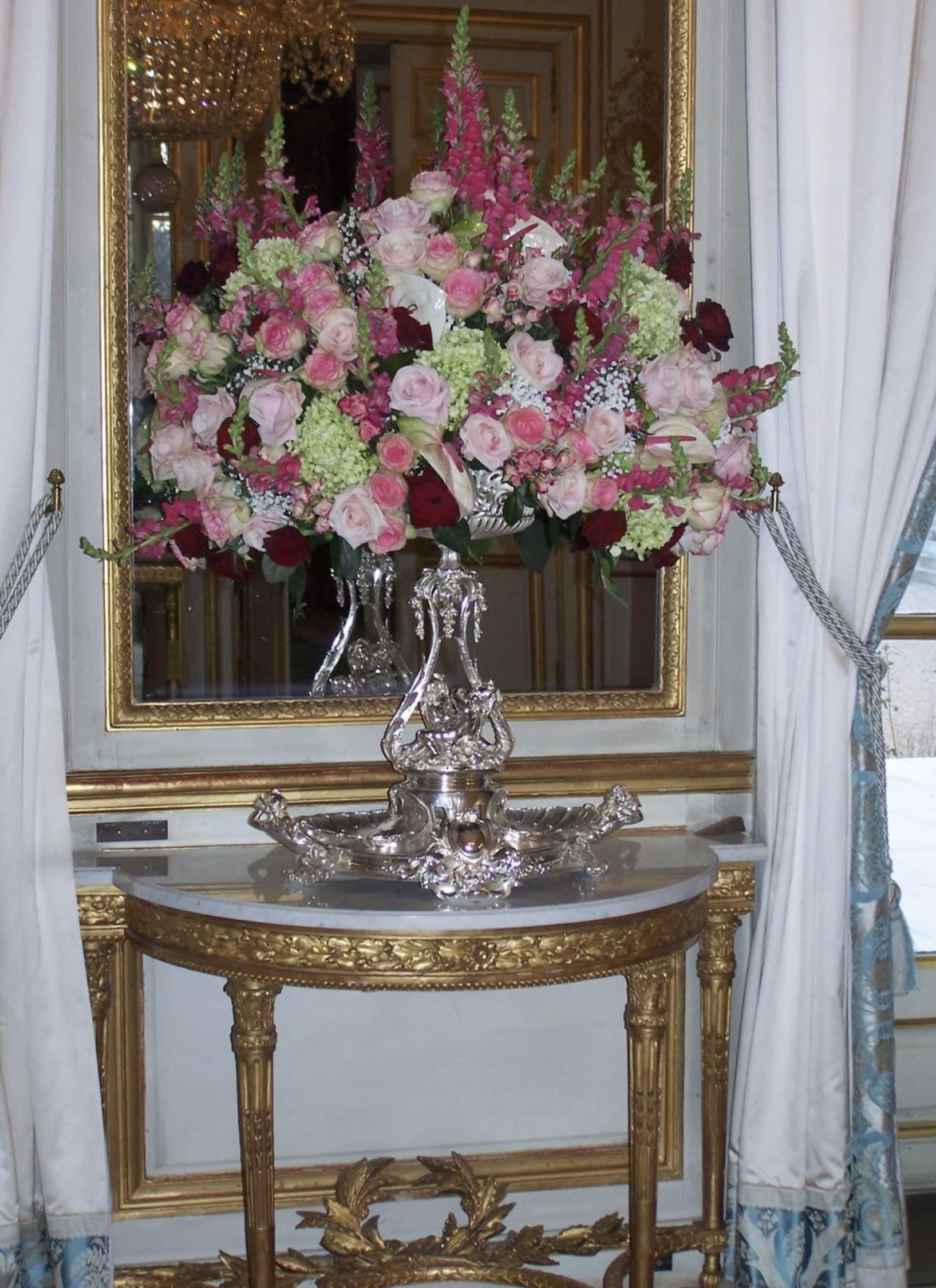
This message is floral.
In presidential palaces and royal residences, flowers constitute one of the most subtle languages of diplomacy. They do not need an interpreter or translation. They cross political boundaries, cross religions and speak directly to emotions.
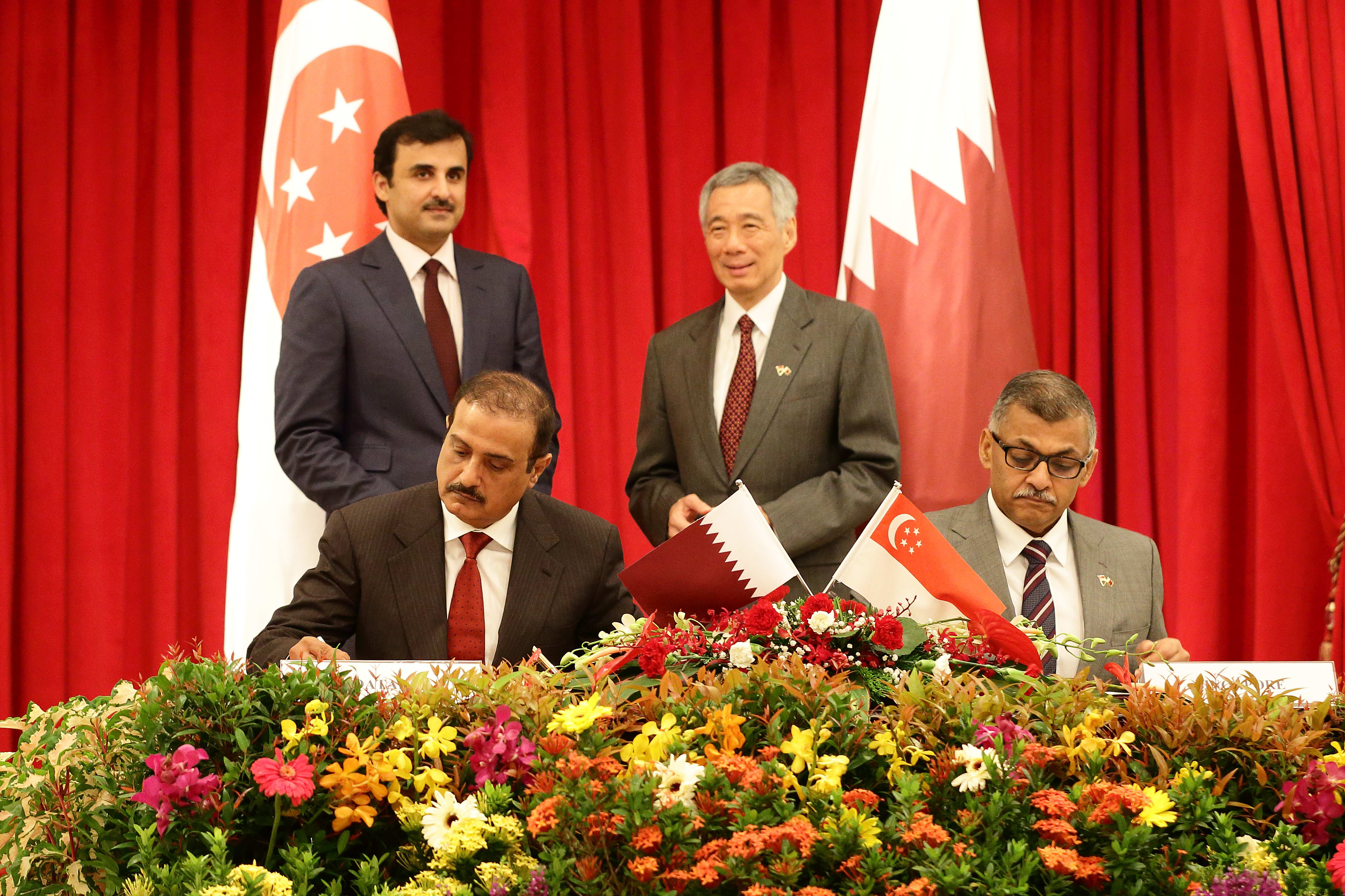
For several centuries, the great courts have understood that beauty participates in the exercise of power. Versailles made it an art of government; European monarchies perfected it; Even today, residences as different as Buckingham Palace, the Imperial Palace in Tokyo, the Royal Palace in Rabat or the Istana in Singapore use floral arrangements as an essential element of their institutional staging.
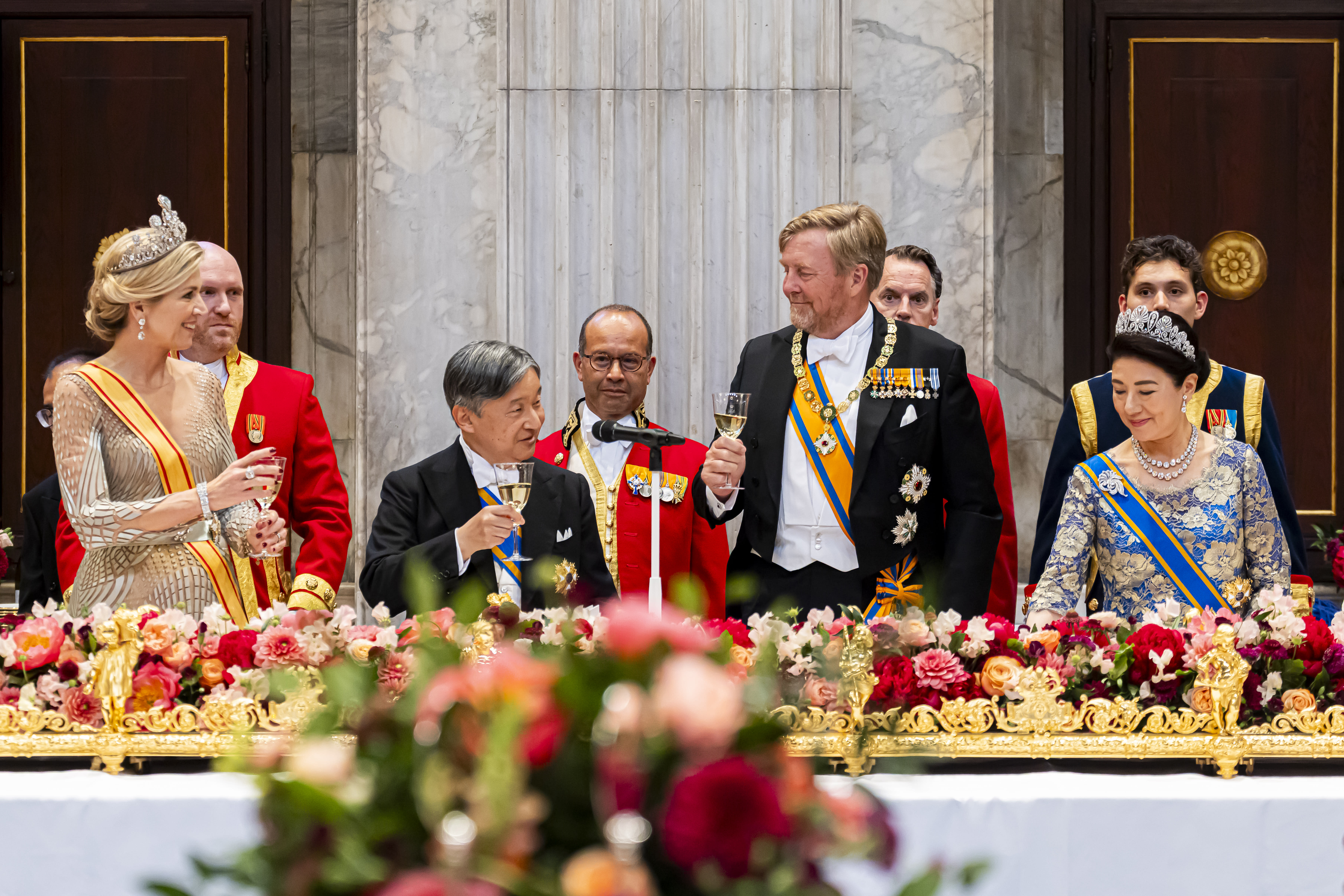
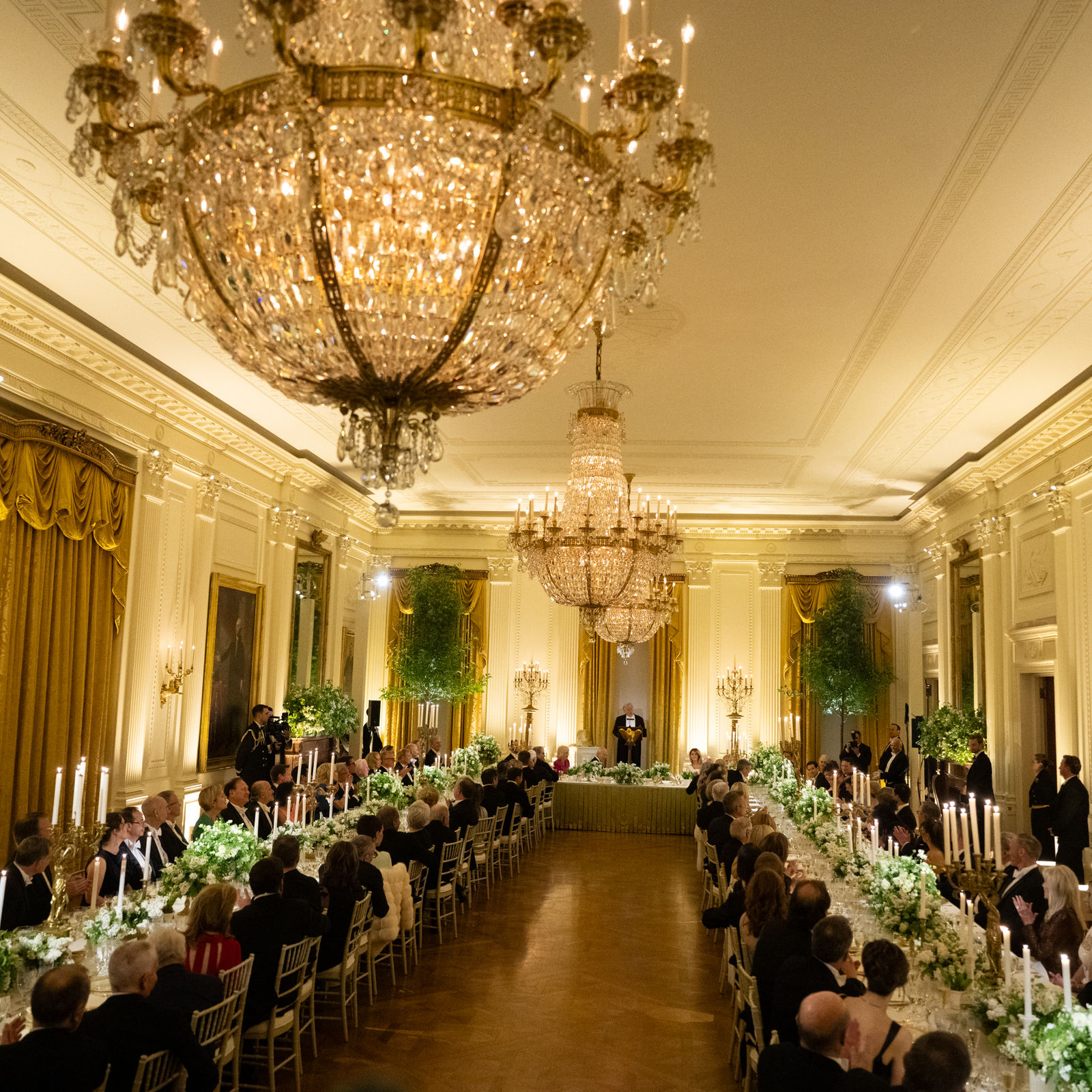
At a state dinner, nothing is left to chance.
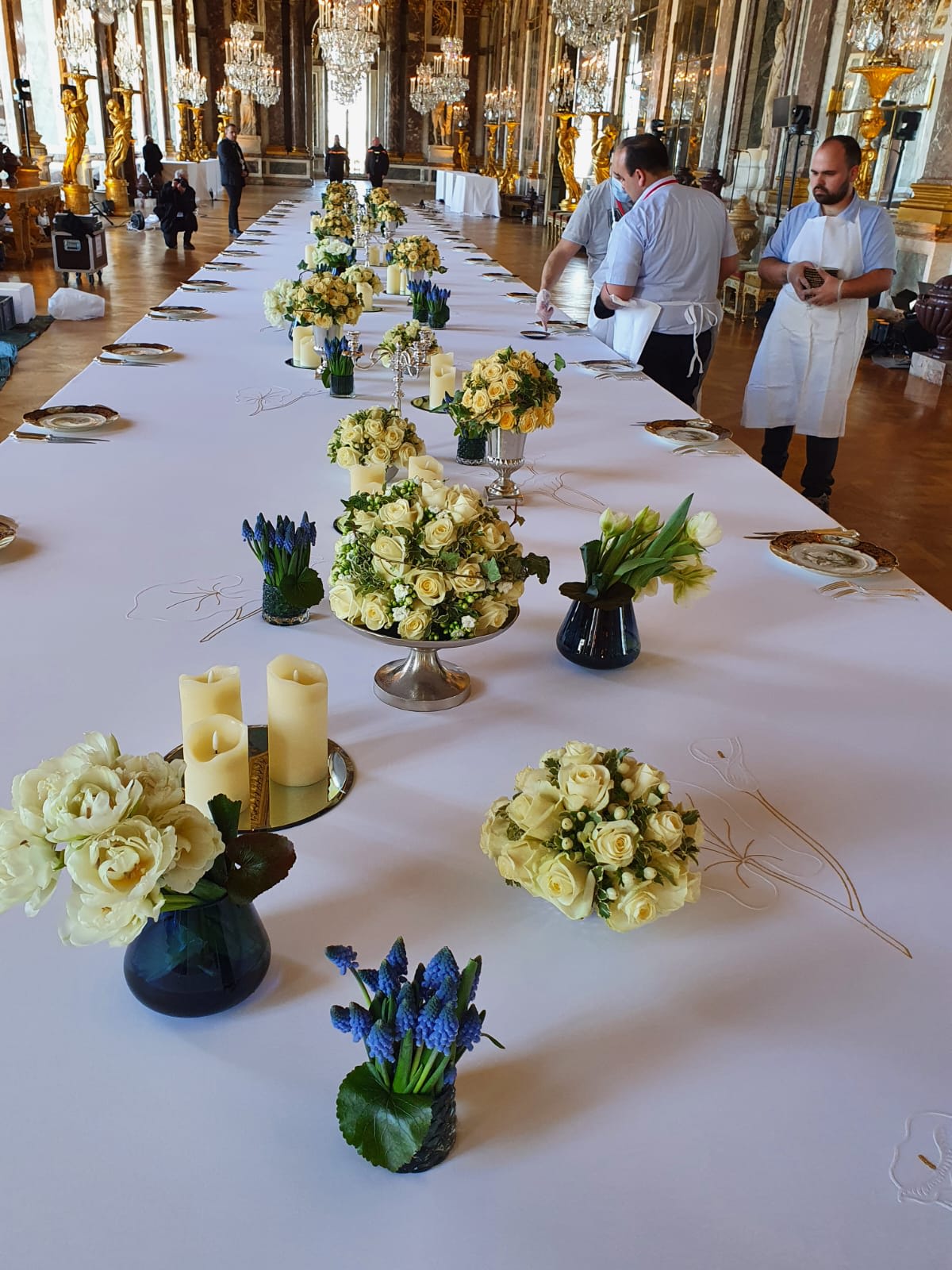
The height of a centerpiece should never interfere with conversations between heads of state. Overly strong flavors are generally avoided so as not to interfere with the food. Colors often interact with flags, seasons or the identity of the guest country. Certain flowers are deliberately left out when they have funerary or religious significance in the visitor’s culture.
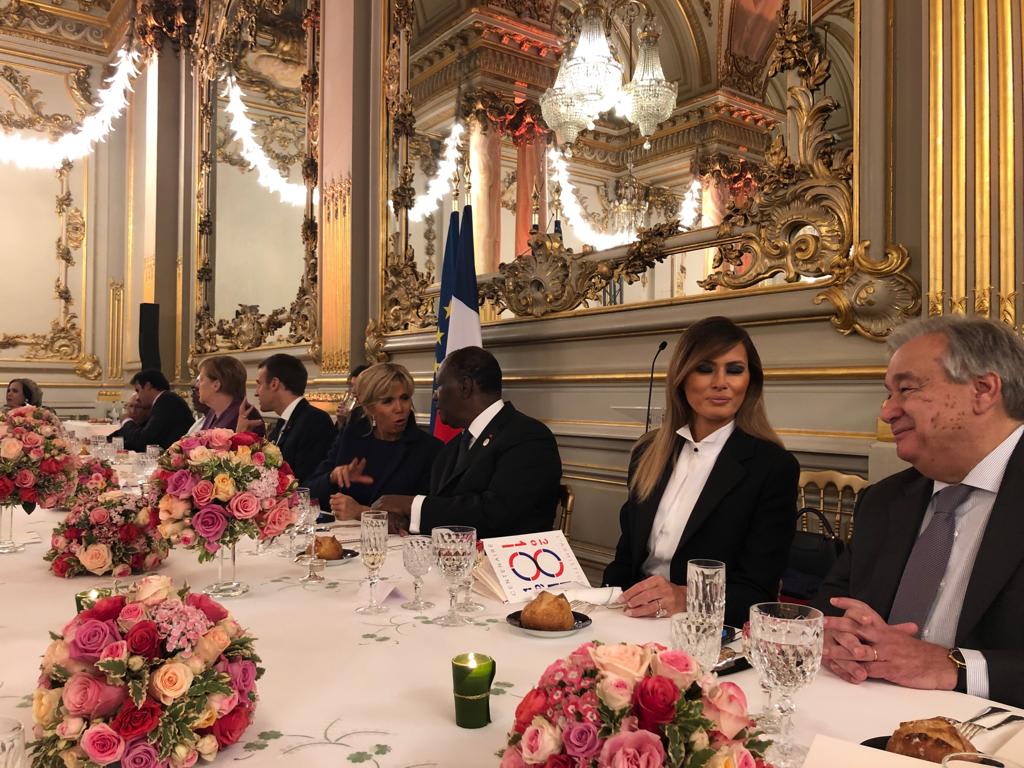
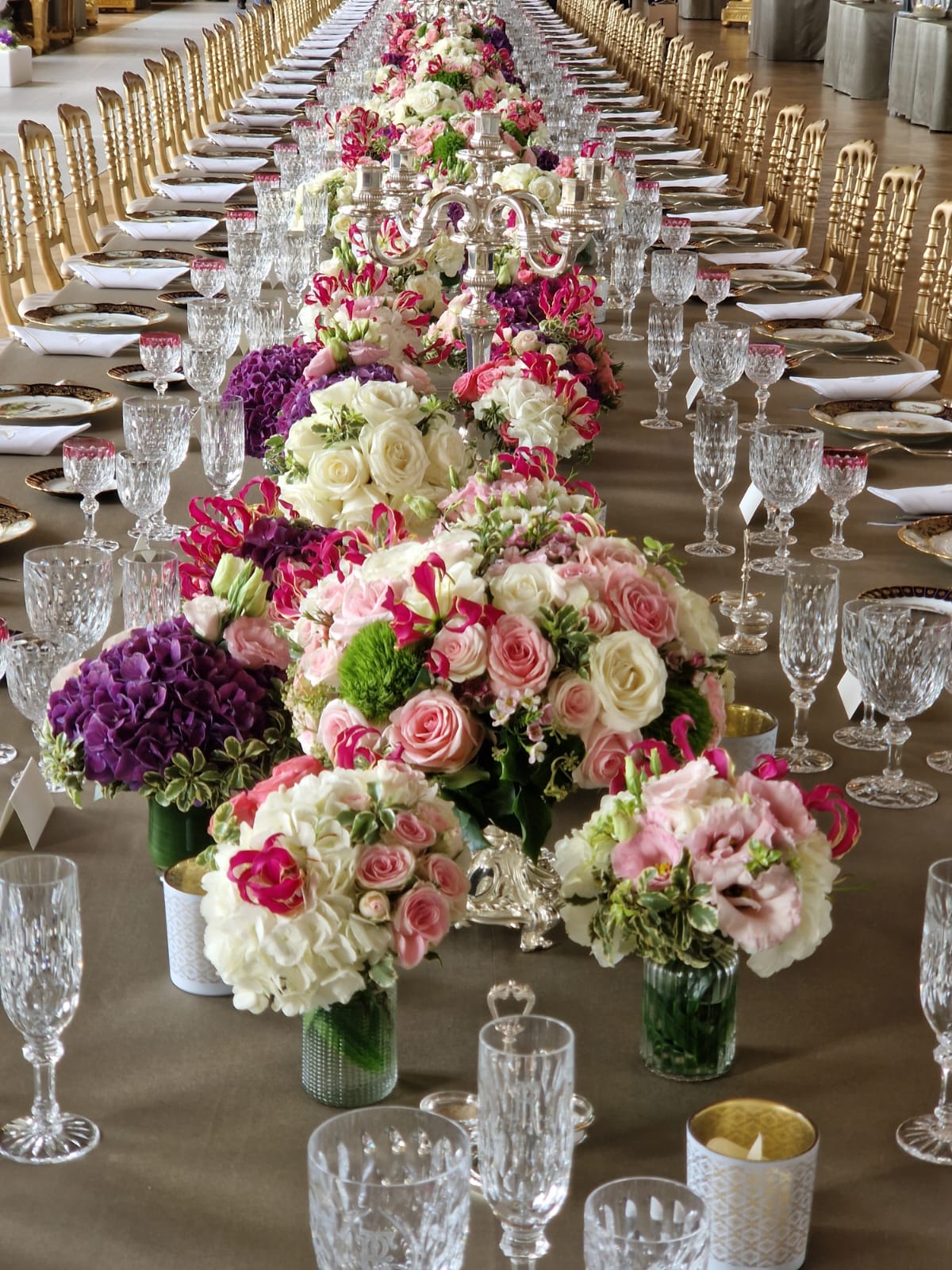
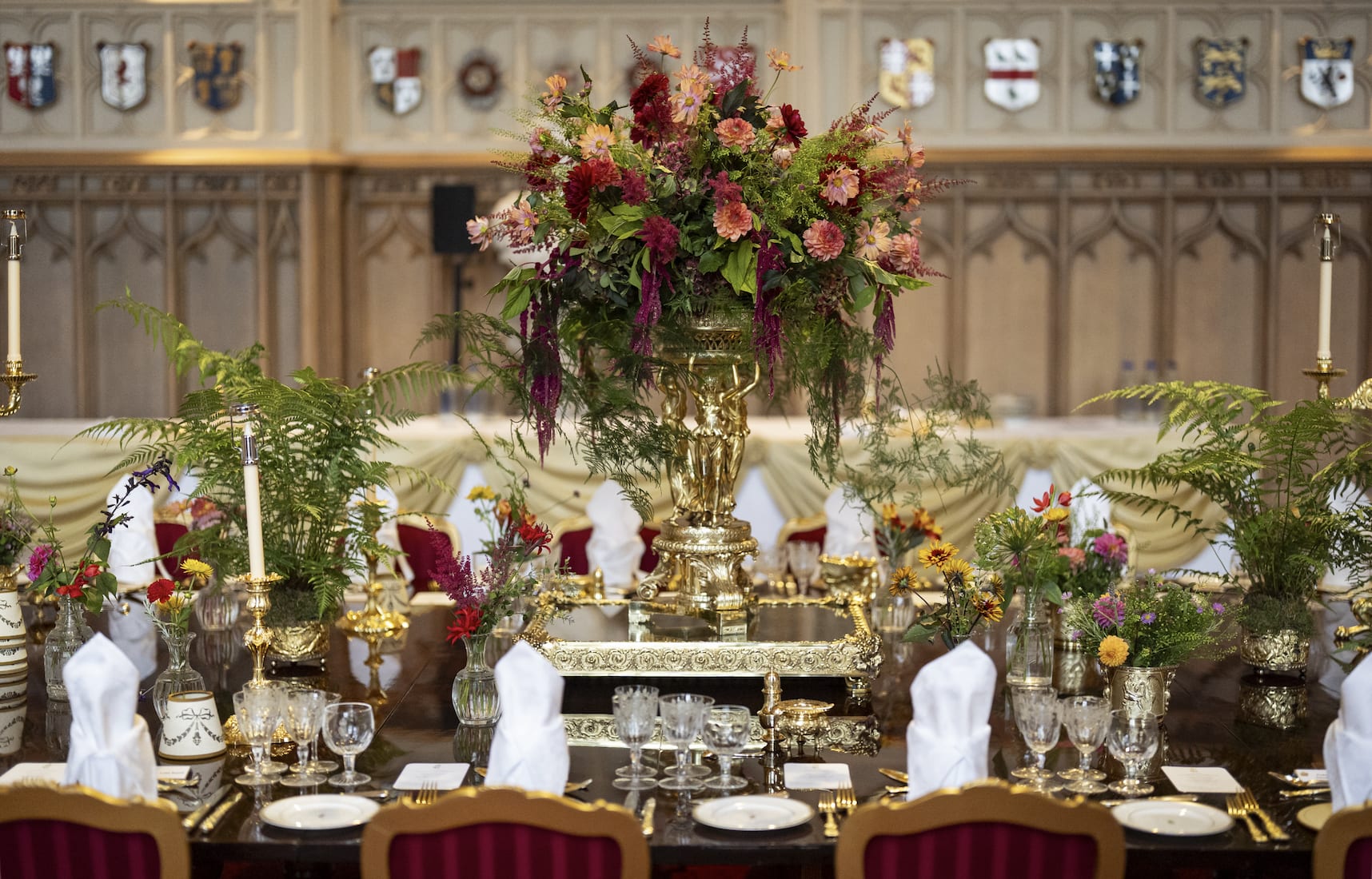
In the United Kingdom, the Royal Court regularly calls on leading florists, such as Shane Connolly, whose creations for the coronation of Charles III illustrated a clear desire to favor seasonal, reusable and sustainably produced British flowers. The floral arrangements participated as much in the ecological story of the reign as in the aesthetics of the ceremony.
In Japan, the Imperial Household Agency accurately documents the progress of state visits to the Imperial Palace and Akasaka Palace. The official images show floral decorations of remarkable sobriety. The balance of spaces, seasonality and the influence of Japanese aesthetics reflect a search for harmony where restraint itself constitutes a form of diplomatic respect.
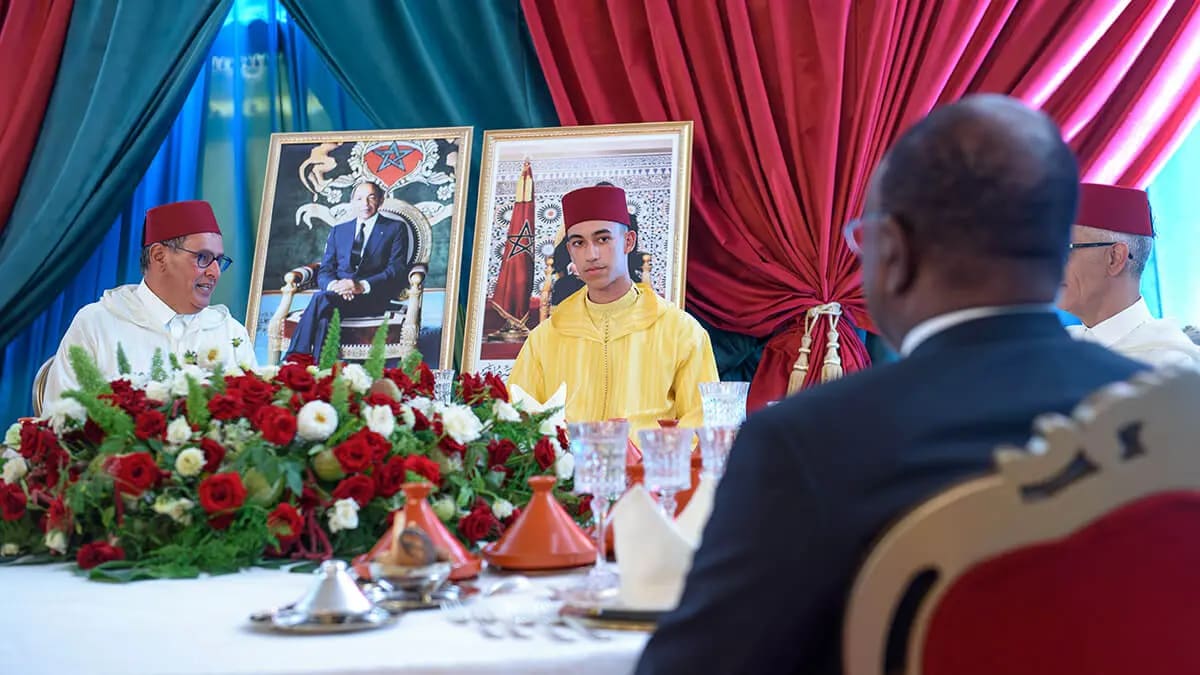
In Morocco, ceremonies organized in royal palaces frequently combine architecture, historic gardens and plant arrangements. Heirs to a tradition where the garden symbolizes the earthly paradise, these decorations naturally extend the image of a monarchy attached to its heritage and its hospitality.
In Singapore, the Istana benefits from an exceptional botanical park which fully contributes to the international image of the city-state. In a country which has made nature a central element of its identity, gardens are also becoming an instrument of diplomatic influence.
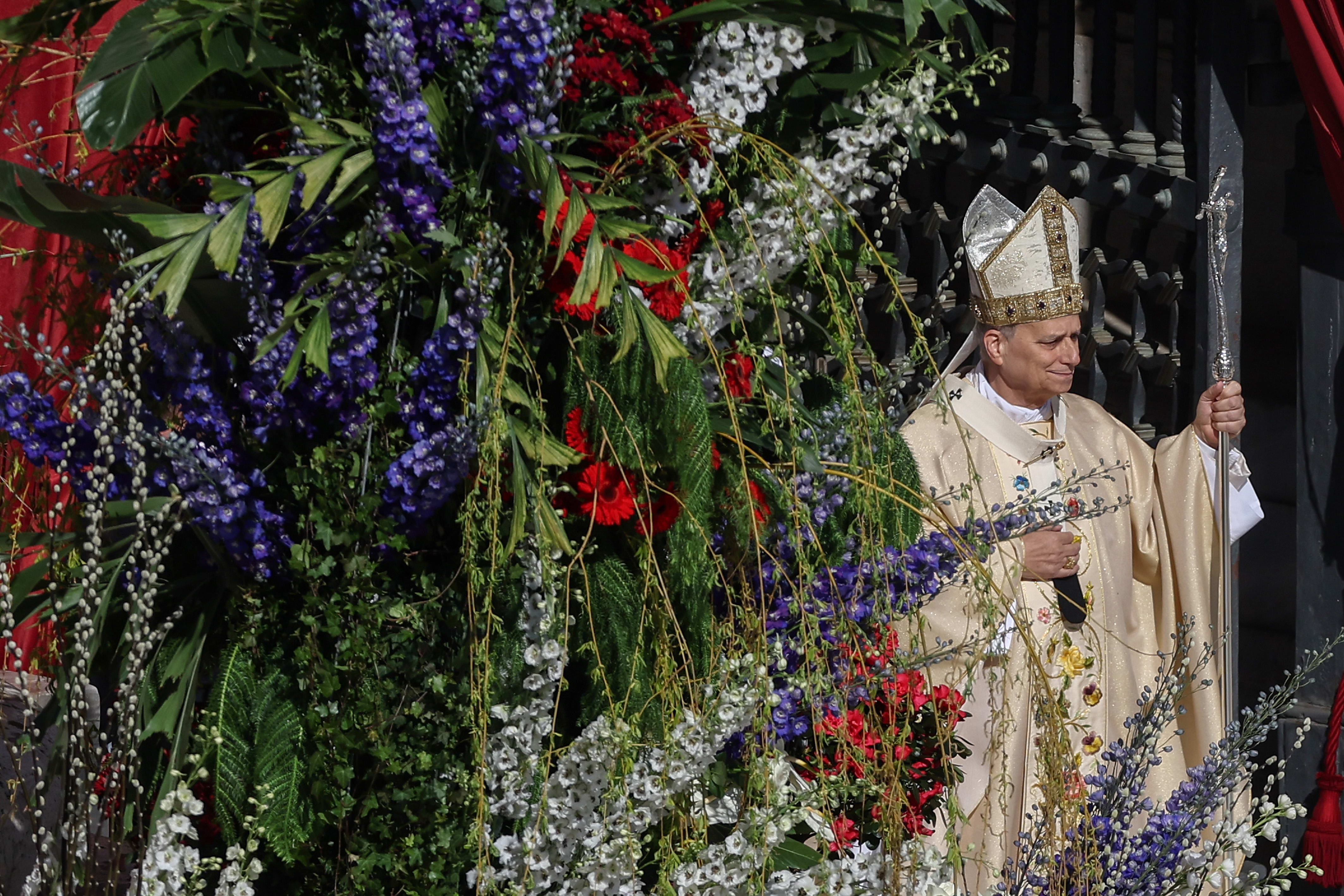
Even the Vatican discreetly uses this universal language. The floral decorations of pontifical celebrations, often offered by partner countries such as the Netherlands on the occasion of Easter, demonstrate that a bouquet can also become a diplomatic gesture between States.
This silent diplomacy does not stop at the reception rooms.
Many palaces maintain historic greenhouses, monumental gardens or work with recognized floral houses. Behind each official reception are gardeners, botanists, florists, plant heritage curators and stewardship teams who orchestrate a living decor that will disappear a few days later.
Paradoxically, this is perhaps where the strength of the flower lies.
Ephemeral by nature, it accompanies the moments that History will remember: a treaty signing, a state banquet, an oath-taking, a royal visit or a ceremony of contemplation.
Speeches are sometimes forgotten.
Photographs almost always keep these carefully composed bouquets in the background.
They weren’t there to look pretty.
They were there to welcome, reassure, honor or seduce.
In the palaces of the world, flowers rarely speak. However, they often say more than words.