In the first part, the hives conquered the gardens of power. The most delicious question remains: what happens to their honey?
Investigation in kitchens, reserves and diplomatic bags.
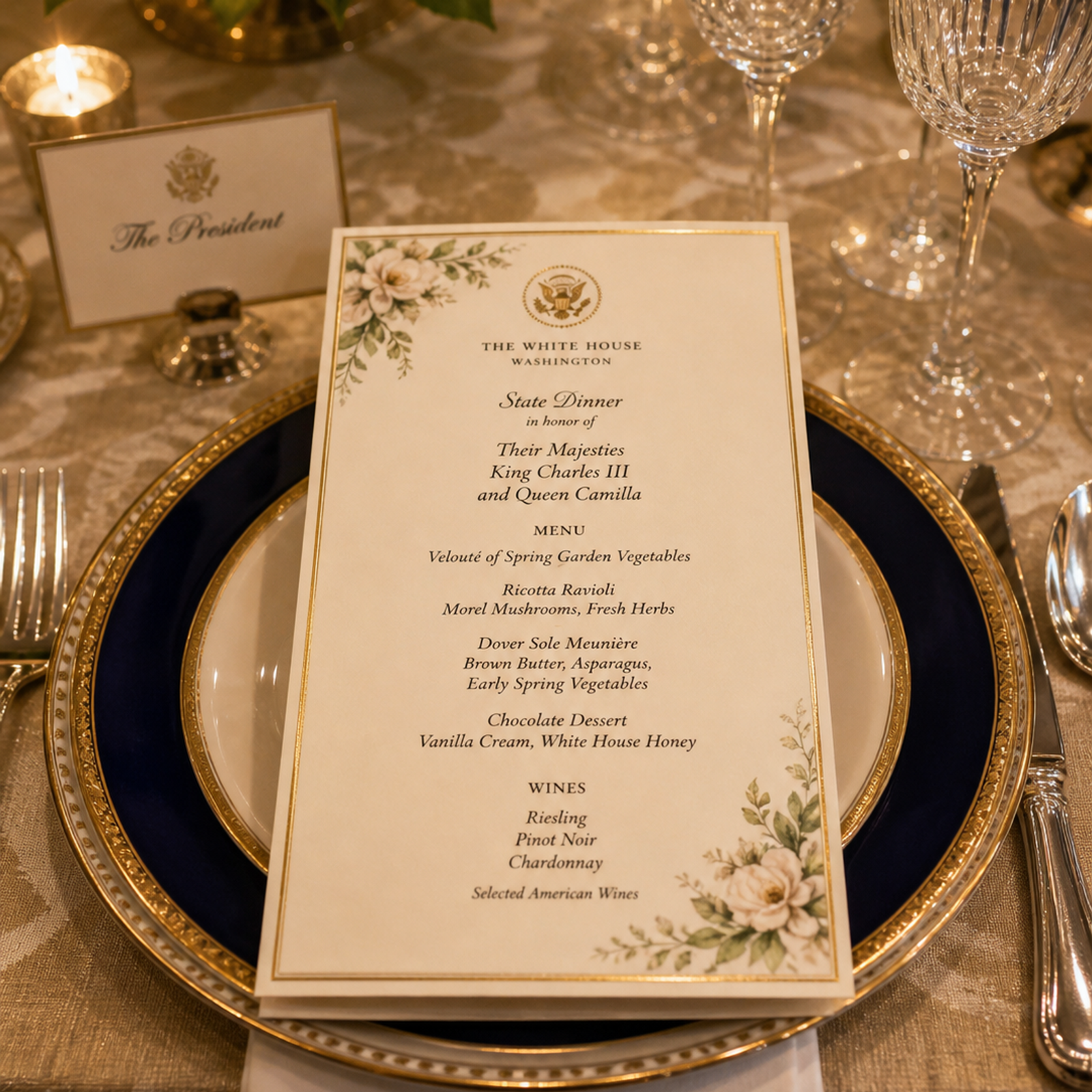
Source: White House
Once the hive is installed, everything begins. Because palace honey is not an agricultural product like any other: as soon as it leaves the framework, it becomes an object of protocol. We cook it, we sell it, we offer it. And each destination tells a way of governing.
In Buckingham, honey never leaves the house. The royal chefs, under the leadership of Mark Flanagan, slip it into madeleines, pour it over chocolate truffles, and combine it with cream in cakes served at Garden Parties. More than three hundred pots per year, and not a single one for sale: the estate aims to be “self-sufficient”, even in its gentleness.
But it is elsewhere that the pot of honey reveals its power. On April 3, 2014, at the Vatican, Elizabeth II handed Pope Francis a gift from her gardens. “It comes from my garden… I hope it’s unusual for you,” she slips. That day, a simple pot became a state gift, recorded as such by the Crown.
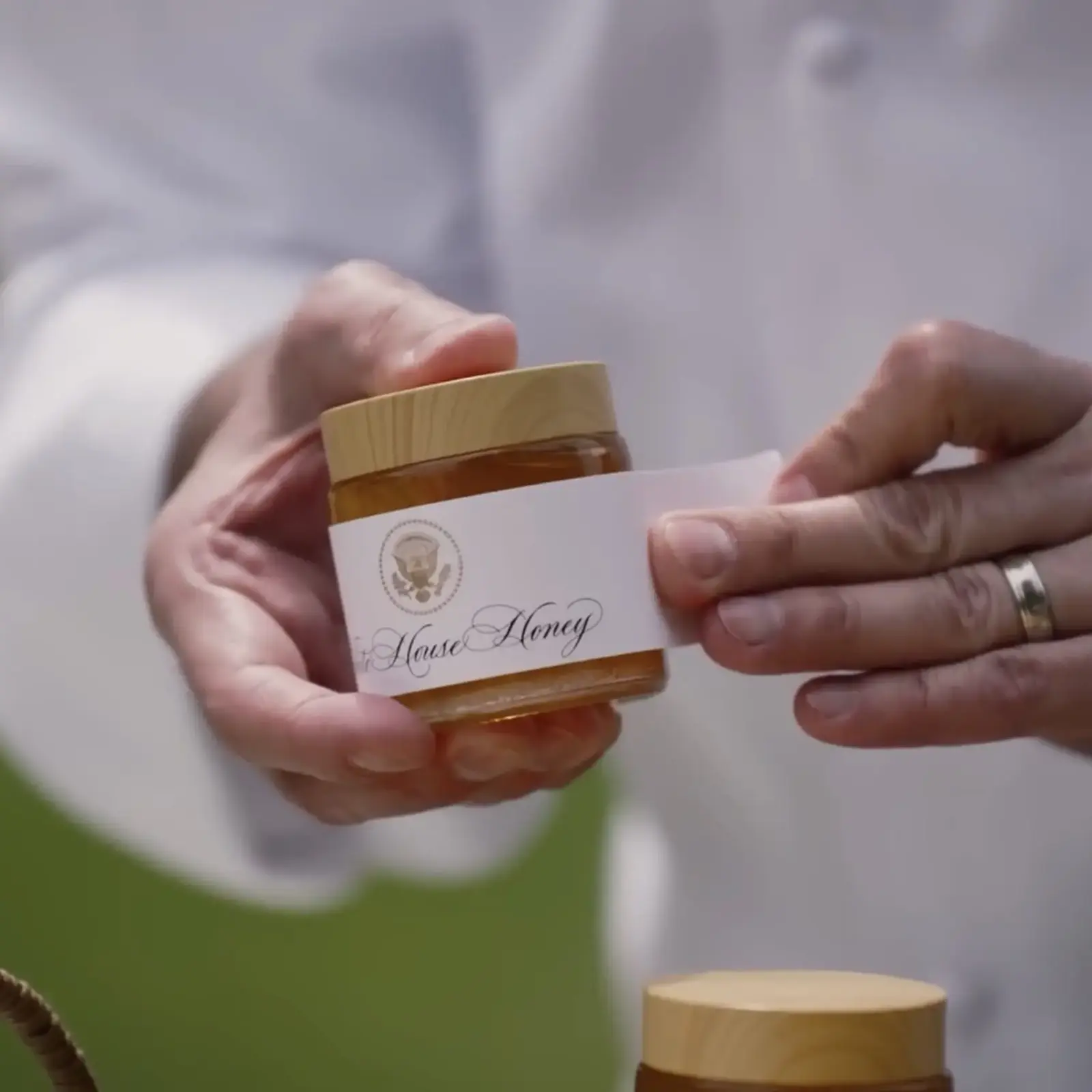
Washington has learned its lesson. South Lawn honey, born in 2009 from a beehive lent by a carpenter, now flavors salad dressings, presidential beers and ceremonial desserts. In April 2026, for the state dinner offered to Charles III, he placed a creamy vanilla at the heart of the menu - and left in small pots in the royal luggage. “We will put more for Their Majesties: they are honey lovers,” confides Melania Trump.
Elsewhere, honey is sold for money. In Holyrood, it is the hottest item in the Scottish Parliament shop – “a small rush to the tills” as soon as it goes on sale – while its wax, tinted red, seals every law of the kingdom.
In Berlin, the “flower of the Bundestag” is sold to civil servants; Angela Merkel even offered a jar to the Lithuanian president. At Castel Gandolfo, a van leaves each morning for Rome, loaded with eggs, milk and honey for the pope’s table; the surplus goes to the Vatican supermarket.
All that remains is pure diplomacy. In Canberra, the Australian Parliament adopts the most frank strategy: its honey is “mainly offered to foreign leaders”. We even make vodka and mead from it, and the idea has spread to neighboring embassies. Diplomats have a word for this: beeplomacy!
Edible, narrative, without ostentation, the jar of honey is the perfect gift: it cannot be bought, it must be shared.
Behind the gates, the palaces have understood – gentleness, too, is a matter of state.